Nutrition
Vitamin D in winter: who needs a supplement and how much
UK sunlight is too weak to make vitamin D from October to March. Here is who should take a supplement, how much, and what it can and cannot do.
8 min read
Topic
What to eat, what to skip, and what the research actually supports.
UK sunlight is too weak to make vitamin D from October to March. Here is who should take a supplement, how much, and what it can and cannot do.

The early signs of type 2 diabetes are often subtle in younger adults: here's what to watch for, why they're easy to miss, and what getting checked actually involves.

Falling asleep after evening coffee and sleeping well afterward are different things: here's what the dose-and-timing trials actually found.

A rare controlled trial shows ultra-processed food causes weight gain, not just correlates with it: here's what the study found, what a 2025 follow-up adds, and what's still genuinely debated.

The strongest diabetes-prevention trial evidence comes from older, higher-risk adults; here's what it, and the research on younger adults, actually says about lowering your risk in your 20s and 30s.

This closing piece in our diabetes and food-culture series asks the bigger question: has how Britain eats actually changed, and does grazing vs three structured meals matter for metabolic health? We check the real UK data.
The Soft Drinks Industry Levy cut sugar sold in drinks by almost 40% - and new research shows people are genuinely eating less sugar too. Here's what five years of UK data actually shows, and where the policy still falls short.
We fact-check Jessie Inchauspé's most popular blood-sugar hacks against what nutrition scientists and the actual research say, hack by hack, fairly.

A small young-adult study and larger cohort research both link ultra-processed food to higher blood sugar and diabetes risk, with honest caveats about causation and BMI.
Some 'healthy' protein bars contain nearly as much sugar as a chocolate bar. Here's what a major UK study found, and how to check any bar's label in seconds.
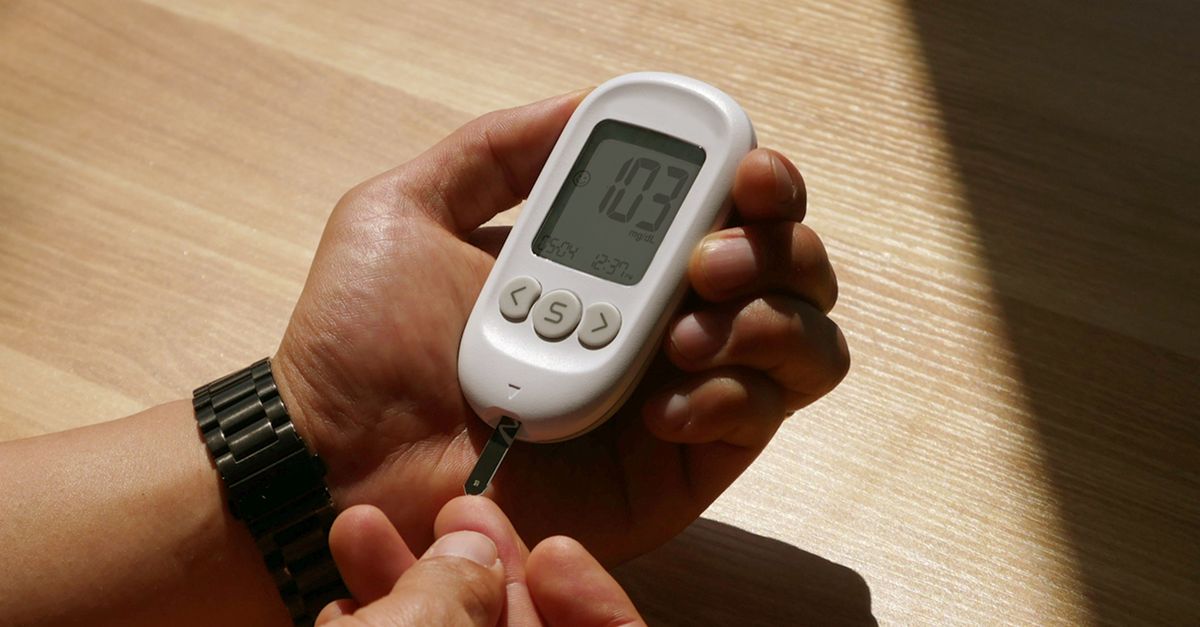
Glucose spikes are real and multi-causal, but the evidence that tracking them helps healthy people isn't there yet. Here's what's established versus uncertain.

UK traffic-light data shows "healthier"-marketed cereals like granola often carry more sugar than plain corn flakes. Here's how to actually compare.

The real UK food-safety rules on cooling, fridge timing and reheating make batch cooking far less stressful, and rice is trickier than you'd think.

The 8-glasses rule traces to a misquoted 1945 report: here's what the NHS actually recommends, and what the largest study of human water needs found.

A landmark Stanford trial found fermented foods, not fibre alone, boosted gut diversity, while probiotic supplements showed no such effect in healthy people.
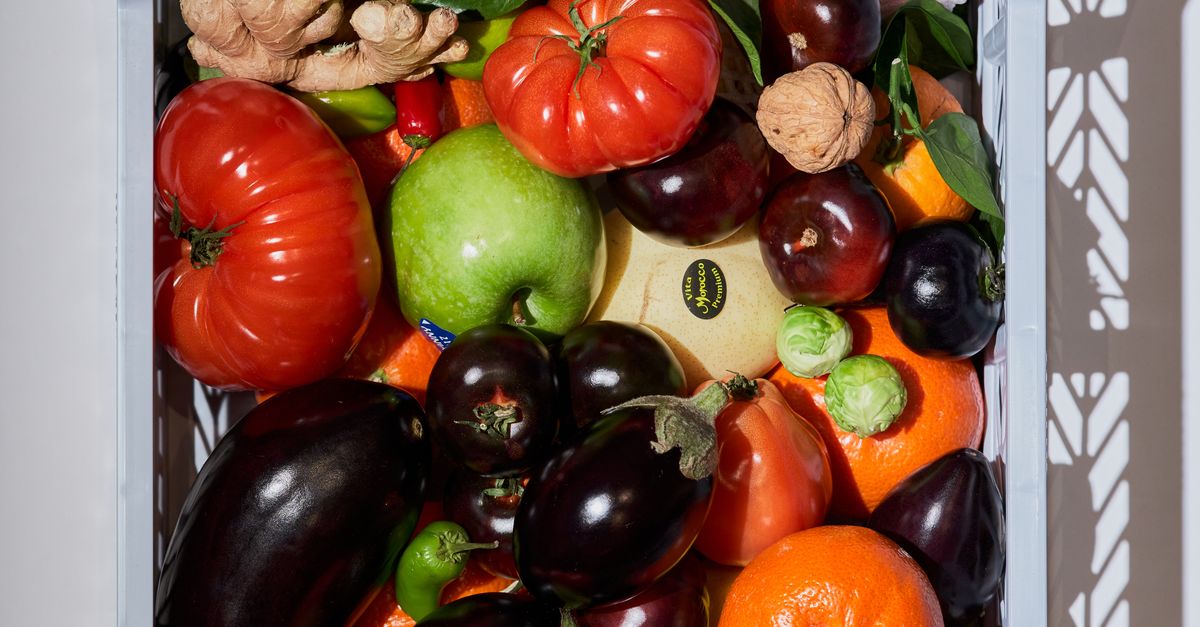
Five-a-day was always a messaging simplification. The largest meta-analysis to date suggests real benefit keeps climbing to around ten portions.

Dubai chocolate has gone from viral TikTok fad to permanent supermarket staple: here's what its sugar content actually adds up to, and how it compares to other viral treats like Grimace shakes and bubble tea.
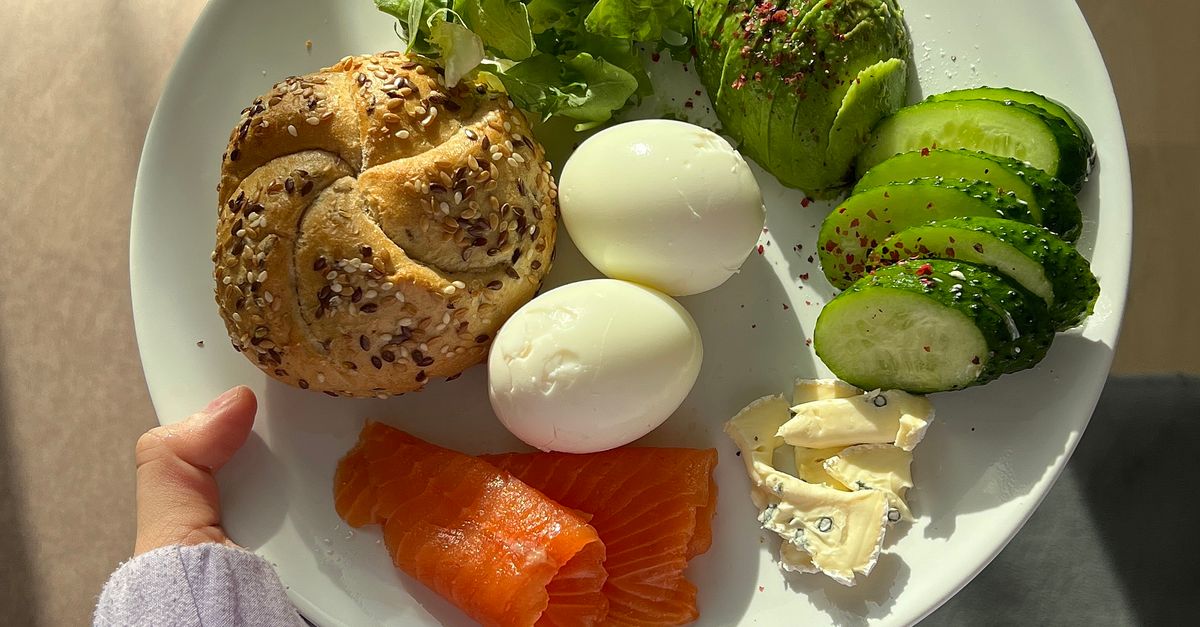
The UK's official protein guidance and the sports-nutrition research point to very different numbers, and the post-workout "anabolic window" is mostly myth.

"What I eat in a day" TikTok videos are hugely popular, but research shows most are made by unqualified creators, model restrictive eating and encourage body-checking. Here's what to trust instead.

The UK eats roughly double the recommended sugar limit. Here's what SACN's guideline actually means in teaspoons, which everyday foods are really driving the excess, and how to spot hidden sugar on a UK food label.

Type 2 diabetes diagnoses in UK under-40s are rising faster than in any older age group: here's what the evidence says is driving it, and what it means if you're in your 20s or 30s.
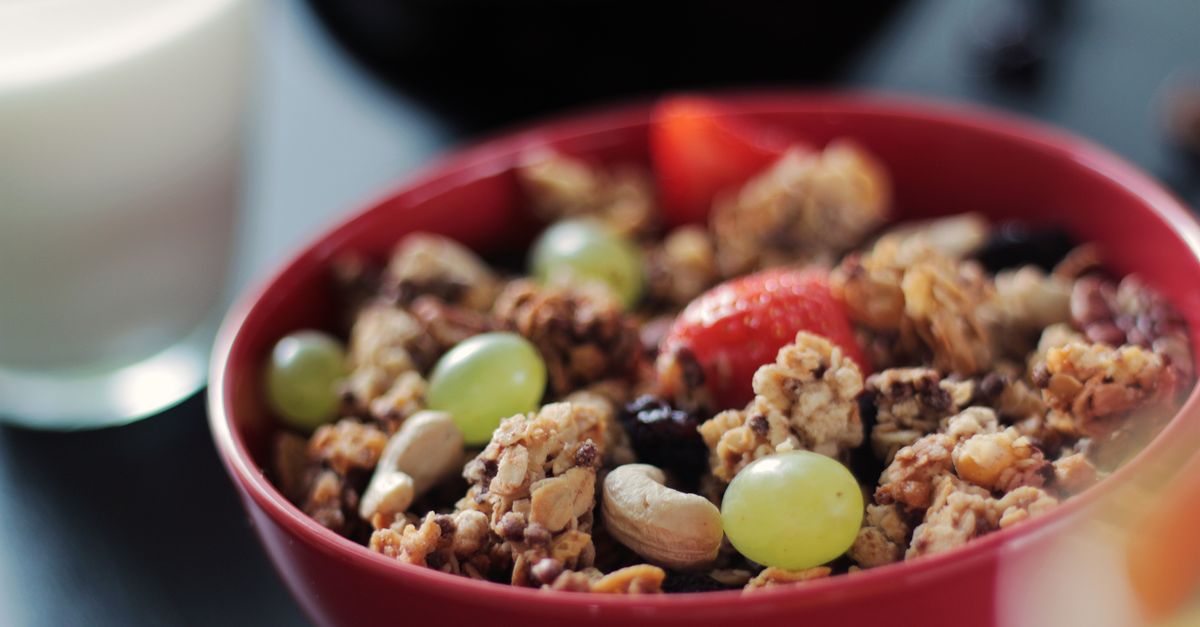
UK adults are advised to eat 30g of fibre a day. Most manage barely 20g. Here's what fibre does, how much you really need, and how to close the gap.

Creatine is no longer a gym-bro supplement. Here is what the latest research says about creatine for women: strength, brain, mood, and how to pick one.
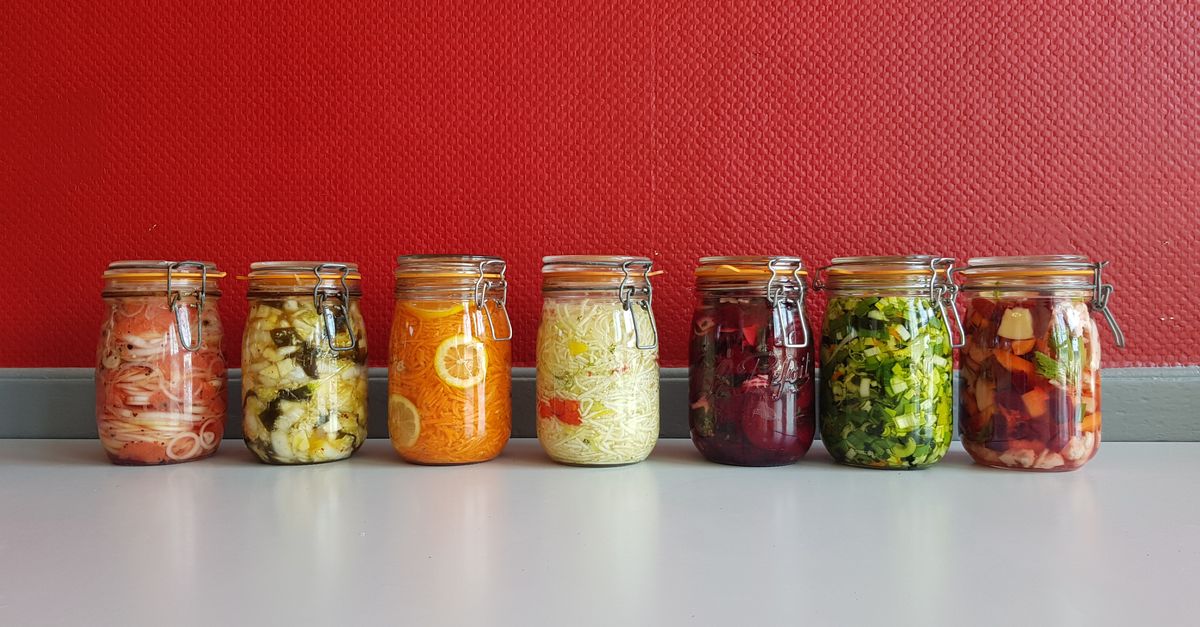
Gut health is everywhere in 2026. A clear beginner's guide to the microbiome, the functional foods that genuinely help, and whether you actually need a probiotic.