Why 'What I Eat in a Day' videos are a poor way to learn about nutrition
"What I eat in a day" TikTok videos are hugely popular, but research shows most are made by unqualified creators, model restrictive eating and encourage body-checking — here's what to trust instead.
Why “What I Eat in a Day” videos are a poor way to learn about nutrition
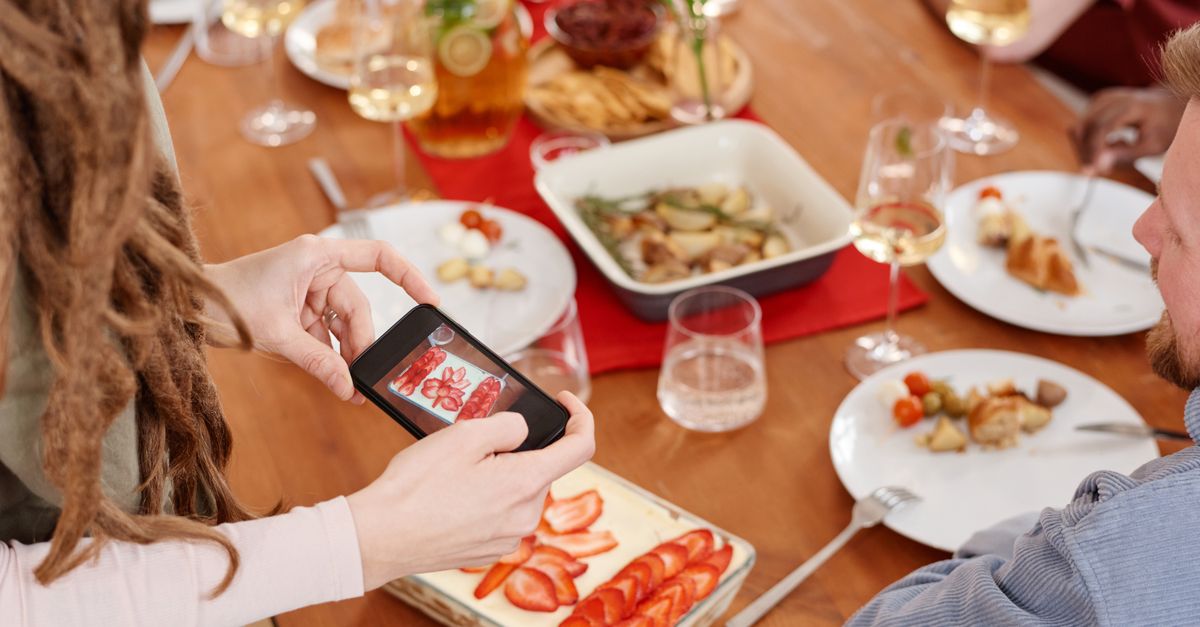
If you’ve spent any time on TikTok, you’ve seen it: a creator holding up their breakfast, lunch and dinner in quick cuts, sometimes with calories stamped on screen, sometimes just a knowing “this is what keeps me feeling my best.” “What I eat in a day” (WIEIAD) videos are one of the platform’s most durable nutrition formats, racking up billions of views. The trouble is a persistent question worth asking before you copy anyone’s plate: is “what I eat in a day” content on TikTok actually accurate, or just watchable? Research looking closely at hundreds of these videos suggests the honest answer is “rarely both.” Understanding why matters more than knowing any single creator’s grocery list — because the format itself has built-in reasons to mislead, whatever the person on screen intends.
What the research actually found
When researchers stopped scrolling and started coding what’s actually in these videos, the picture wasn’t reassuring. A 2025 study published in the journal Nutrients analysed a large sample of TikTok nutrition content and found that “what I eat in a day”-style posts and recipe content made up around a third of all nutrition videos, second only to weight-loss content. Crucially, the people making it were rarely qualified to: wellness influencers and fitness creators accounted for roughly half of nutrition content between them, while nutritionists and registered dietitians made up only a small single-digit share.
The same analysis found that 41% of videos didn’t contain enough concrete, checkable information to even be rated true or false — they were personal anecdotes dressed up as advice (“this changed my digestion,” “I just feel better this way”), which sounds harmless until it’s the only nutrition education someone gets. Perhaps most tellingly, the researchers found that accurate, evidence-based videos tended to attract fewer views than sensational ones. The platform’s incentives and good nutrition information are, at best, only loosely aligned.
Why “it worked for them” doesn’t mean it’ll work for you
Even a WIEIAD video made in good faith runs into a basic problem: it’s a sample size of one. The creator’s energy needs depend on their height, muscle mass, activity level, hormones, medical history and genetics — none of which are visible in a 60-second clip. What looks like “eating intuitively and feeling great” for someone who trains twice a day can be a genuine deficit for someone with a desk job and a different metabolism.
There’s also a selection effect worth naming plainly: survivorship bias. The creators whose eating patterns “worked” — by whatever metric got them views, usually appearance-based — are the ones still posting. Anyone whose approach led to fatigue, hair loss, lost periods or a worsening relationship with food has, understandably, mostly stopped filming their meals for strangers. What’s left in your feed is a curated, self-selected sample of outcomes that looks far more universal than it is. Nutrition advice that ignores individual variation isn’t really advice — it’s a story about one specific person that happens to be filmed in your kitchen’s aesthetic.
When restriction gets rebranded as “healthy”
One of the more concerning patterns researchers keep flagging is how easily genuinely restrictive eating gets relabelled as wellness. A widely cited content analysis of 100 popular WIEIAD videos found recurring promotion of thinness and weight loss, with some creators openly discussing very low food intake or behaviours associated with disordered eating — framed not as a warning, but as aspirational.
This matters because restriction rarely announces itself as restriction. It arrives as “eating clean,” “just not that hungry today,” or a plate that’s technically food but nowhere near enough of it, shown with the same breezy tone as any other lifestyle content. For a viewer without a nutrition background, there’s often no visible signal that what they’re watching sits closer to disordered eating than to balanced eating — the video looks the same either way. That ambiguity is exactly what makes the format risky as an educational source, separate from whether any individual creator means harm.
The body-checking problem
Content that shows food is rarely just about food. A 2025 experimental study published in Frontiers in Human Dynamics found that WIEIAD-style videos containing visual body cues — a stomach in a mirror, a flat-lay that lingers on physique — measurably increased viewers’ body dissatisfaction and lowered their stated eating intentions, with the effect strongest in people who already had body-image concerns. Separately, an analysis of around 250 WIEIAD videos reported by The Conversation in 2025 found that while roughly half showed reasonably healthy or intuitive eating patterns, the majority still included some form of body-checking.
In other words, even the “good half” of this content tends to come bundled with a visual subtext about appearance that has nothing to do with nutrition science. You can learn what someone ate and still absorb an implicit message about what a body “should” look like to have earned that meal — which is a poor foundation for learning to feed yourself well.
So, is “what I eat in a day” content on TikTok accurate?
Generally, no — not reliably. Across the studies above, WIEIAD content is mostly made by people without nutrition qualifications, is often anecdotal rather than evidence-based, frequently normalises restriction, and commonly includes body-checking that can affect how viewers feel about their own eating. Some individual videos are perfectly sensible, but there’s no way to tell which ones from the format alone, and the platform’s own engagement patterns favour dramatic content over accurate content. Treat WIEIAD videos as entertainment or personal storytelling — not as nutrition education, and not as a template to copy.
What a genuinely useful source of nutrition information looks like
The good news is that reliable nutrition guidance in the UK isn’t hard to find — it’s just less algorithmically rewarded than a well-lit lunch. The NHS Eatwell Guide sets out, in plain terms, the proportions of different food groups that make up a healthy, balanced diet for most adults, and it’s free and evidence-based. For anything more personal — weight management, a health condition, disordered eating recovery, or sports nutrition — a Registered Dietitian is the professional to look for. “Registered Dietitian” is a legally protected title in the UK, meaning anyone using it has met recognised training standards and is regulated; “nutritionist” isn’t protected in the same way, so it’s worth checking qualifications either way. The British Dietetic Association runs a Find a Dietitian directory and has also been actively working to get more qualified dietitians making content on TikTok itself, precisely to close the gap this article describes. If you do follow nutrition creators, a quick credentials check — are they a Registered Dietitian (RD), and do they cite sources — takes seconds and tells you far more than the video itself.
The takeaway
“What I eat in a day” videos aren’t going away, and watching them isn’t harmful in itself. The risk is treating them as nutrition education, when the format has no built-in mechanism for accuracy, context or qualification — and a fairly consistent one for restriction and body comparison. If a video changes how you think about your own eating, ask what evidence backs it and whether it accounts for anything about your own body, activity or health. For actual guidance, the NHS Eatwell Guide and a Registered Dietitian will get you further than any creator’s plate. This article is general information, not medical advice — if you’re worried about your own eating, or a video has left you feeling distressed about food or your body, it’s worth speaking to your GP or contacting Beat, the UK’s eating disorder charity, on 0808 801 0677.
FAQs
Is “what I eat in a day” content on TikTok accurate?
Generally no. Research shows most of it is made by people without nutrition qualifications, is often anecdotal rather than fact-checked, and commonly features restrictive eating patterns or body-checking — treat it as personal storytelling, not nutrition advice.
Why do WIEIAD creators often show so little food?
Some genuinely eat that way, whether intentionally restrictive or simply because it works for their specific body and activity level. Because these videos are self-selected — people whose approach caused problems tend to stop posting — small portions can look more “normal” and more common than they actually are.
Are TikTok nutrition creators qualified professionals?
Rarely. Studies suggest wellness and fitness influencers make up roughly half of nutrition content on the platform, while registered dietitians and nutritionists account for only a small share.
What is “body-checking” and why does it matter in these videos?
Body-checking refers to visual moments — mirror shots, physique flat-lays — that draw attention to the creator’s body alongside their food. Research links exposure to this content with increased body dissatisfaction in viewers, particularly those already prone to body-image concerns.
Can watching WIEIAD videos affect someone’s relationship with food?
It can. Experimental studies have found these videos can lower viewers’ stated eating intentions and raise body dissatisfaction after just a few minutes of watching, especially for people with existing body-image concerns.
Are any “what I eat in a day” videos actually helpful?
Some are. Analyses have found that a meaningful share of WIEIAD content shows reasonably healthy or intuitive eating. The issue is that there’s no reliable way to tell which videos are sound from the format alone, since most still include body-focused elements.
How can I tell if a nutrition creator is actually qualified?
Check their profile or video captions for “Registered Dietitian” (RD) — a legally protected UK title — and whether they cite sources such as NHS guidance or peer-reviewed research. “Nutritionist” alone isn’t a protected title, so it’s worth checking further.
What’s a more reliable place to learn about nutrition than TikTok?
The NHS Eatwell Guide is a free, evidence-based starting point for general healthy eating. For anything more personal, a Registered Dietitian found via the British Dietetic Association’s directory can tailor advice to you.
How much should I actually eat in a day?
There’s no single right answer — energy needs vary with height, muscle mass, activity level and health status. That variation is exactly why copying a stranger’s daily intake from a video is unreliable; a GP or registered dietitian can give guidance suited to you.
What should I do if TikTok nutrition content is affecting how I feel about my body or eating?
Consider taking a break from the content and speaking to someone. Beat, the UK’s eating disorder charity, offers a free helpline (0808 801 0677) and online support, and your GP can also help if you’re worried about your eating.
Sources
- #WhatIEatinaDay: Quality, Accuracy and Engagement of Nutrition Content on TikTok (Nutrients, 2025)
- A reflexive thematic analysis of #WhatIEatInADay on TikTok (Health Education & Behavior, 2023)
- Those 'what I eat in a day' TikTok videos aren't helpful (The Conversation, 2025)
- What I eat in a day videos: visual body cues, body dissatisfaction and eating intentions (Frontiers in Human Dynamics, 2025)
- Bringing reliable nutrition content to TikTok (British Dietetic Association)
- The Eatwell Guide (NHS)
- Find a Dietitian (British Dietetic Association)
- Beat — the UK's eating disorder charity