Sleep
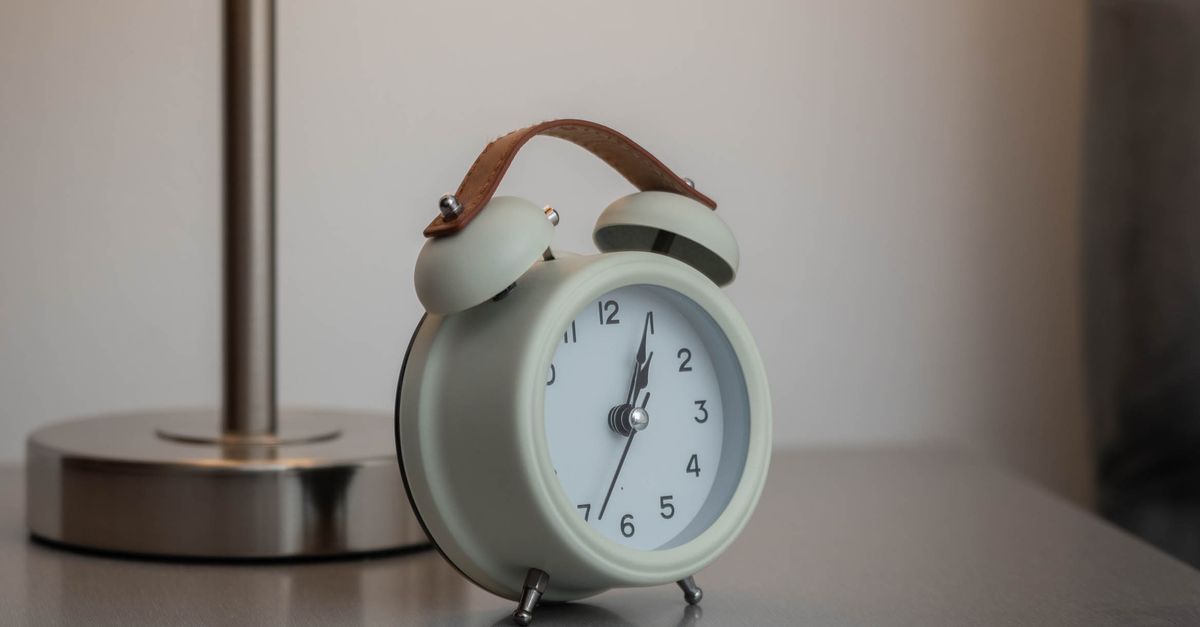
The clocks go back: how to handle the hour change
The clocks go back at 2am on Sunday 25 October. Here is why the 'extra hour' can still throw you off, and how to adjust smoothly, including for babies and young children.
8 min read
Topic
Circadian rhythm, recovery, and the small upgrades that deepen your rest.
The clocks go back at 2am on Sunday 25 October. Here is why the 'extra hour' can still throw you off, and how to adjust smoothly, including for babies and young children.
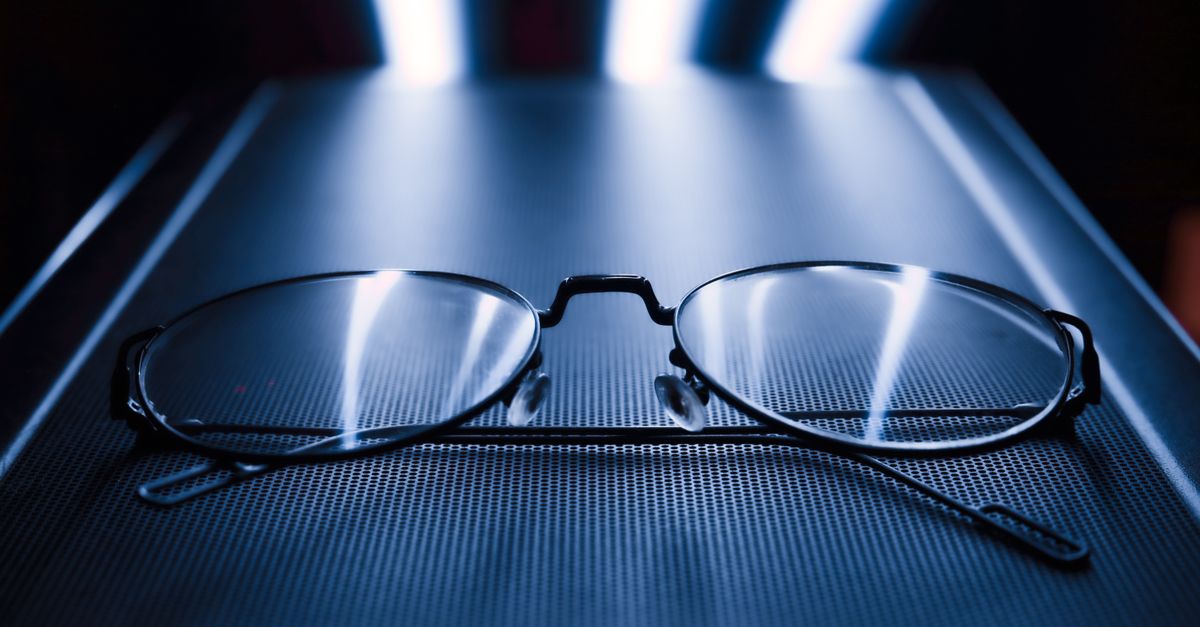
A 2023 Cochrane review and a 2025 meta-analysis both found blue-light-blocking glasses make little to no measurable difference to sleep or eye strain. Here's the honest verdict on whether they're worth buying.
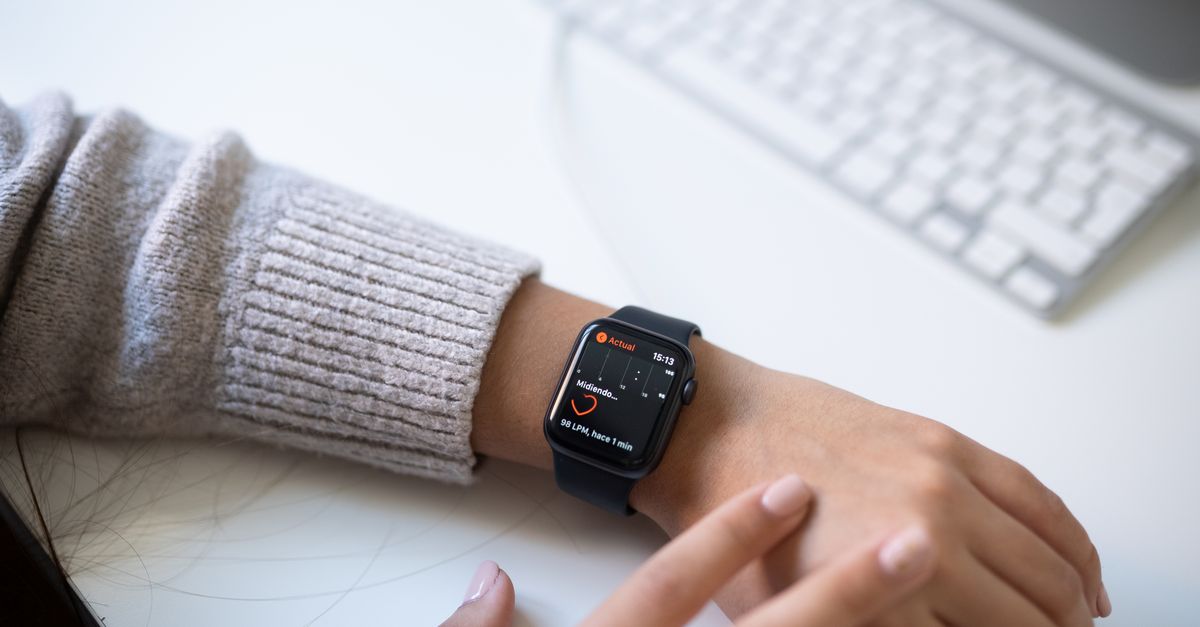
Sleep trackers estimate total sleep time reasonably well but are far less reliable on sleep stages, and can create a documented anxiety pattern of their own.

It's not just melatonin's timing that shifts in autumn: research shows its nightly duration actually lengthens, which may explain daytime sluggishness.
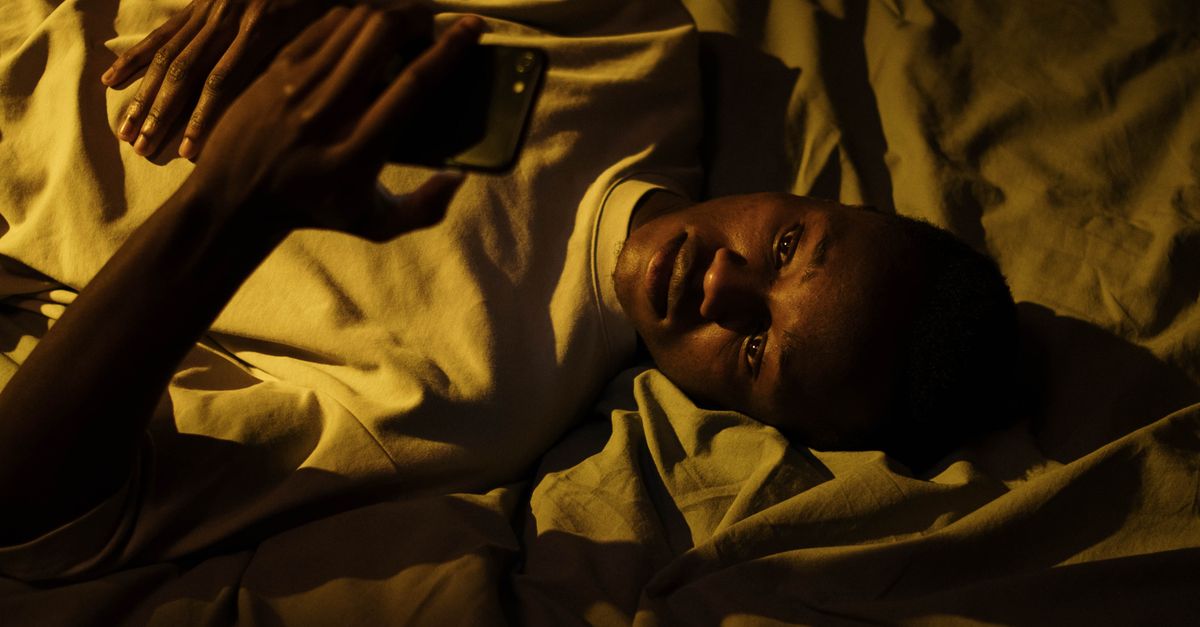
Blue light suppressing melatonin is real physiology, but experts haven't reached consensus on how much it matters, and blocking glasses haven't shown a benefit in trials.
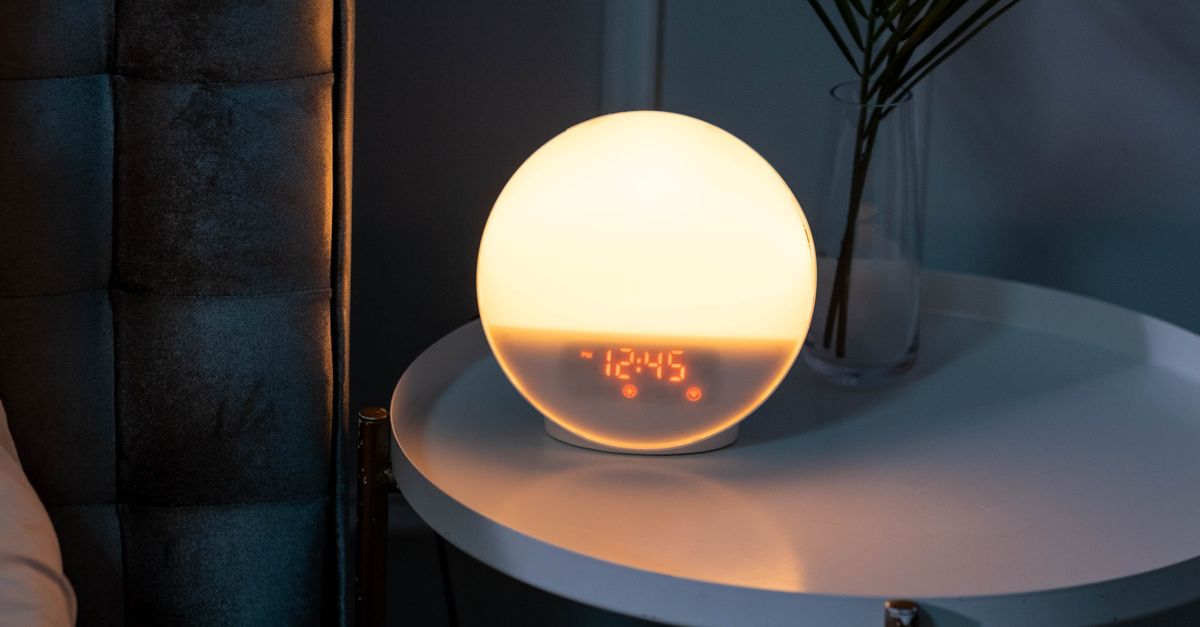
Waking at 3am usually isn't a malfunction. It's normal sleep architecture meeting a well-timed hormone rhythm. Here's when it's actually worth attention.
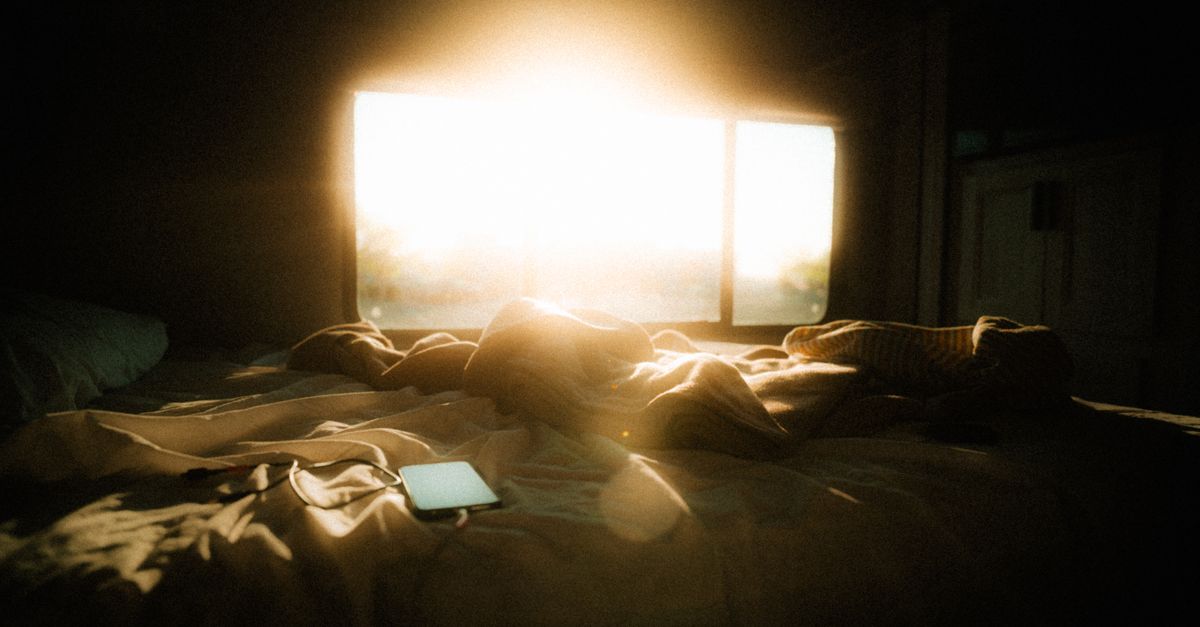
Daylight falls faster in September than at any other point in the year, and it's that speed of change, not the cold, that throws your sleep off in early autumn.
A practical, no-nonsense guide to resetting your body clock.

Magnesium glycinate is the internet's favourite sleep supplement. We look at whether it actually works, how much to take, and which form is worth your money.

Sunrise alarm clocks wake you with light instead of a jarring beep. Here are our tested picks for 2026, best overall and best budget, and what actually matters.