Are Blue Light Glasses Worth It? What the Evidence Actually Shows
A 2023 Cochrane review and a 2025 meta-analysis both found blue-light-blocking glasses make little to no measurable difference to sleep or eye strain. Here's the honest verdict on whether they're worth buying.
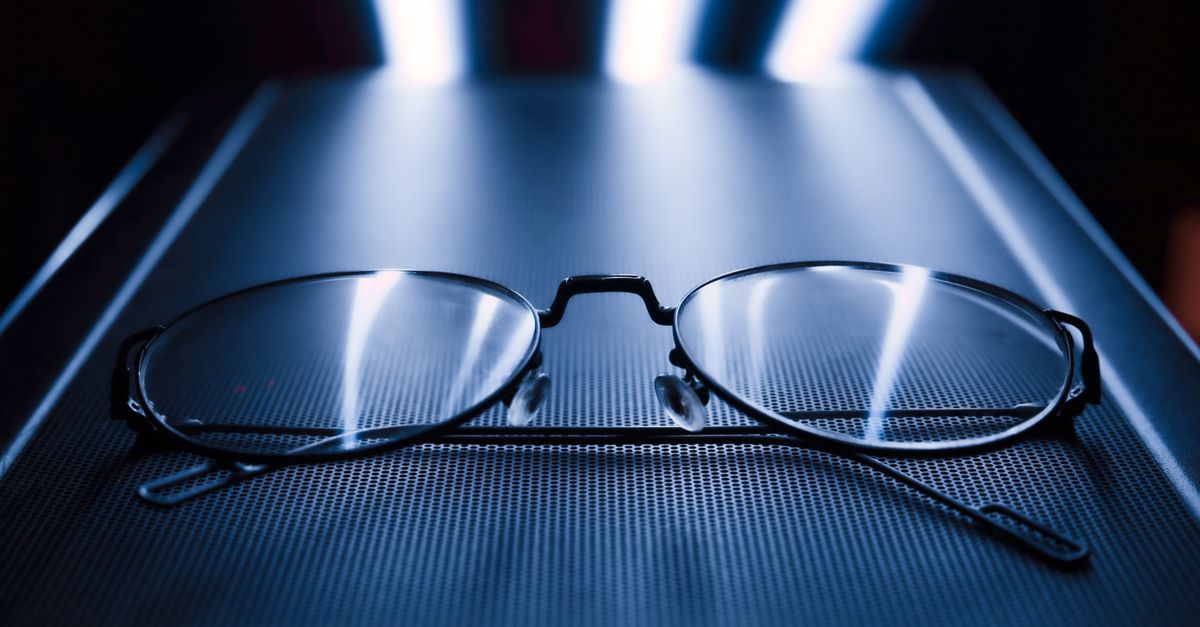
Blue light glasses are everywhere now, and the pitch is simple: block the blue light from your phone and laptop, and you will sleep better and strain your eyes less. It is a tidy story, backed by a real mechanism (blue light does suppress melatonin) and a huge market of screen-fatigued buyers ready to believe it. But does the evidence back it up? The short answer, from the best trials available, is: not really, at least not the way the marketing suggests. A 2023 Cochrane review of 17 randomised trials and a fresh November 2025 meta-analysis both found the glasses make little to no measurable difference to sleep or eye strain. That does not mean they are a scam, but it does mean the case for buying a pair is weaker than the adverts imply. Here is what the trials actually found, why the theory sounded so convincing in the first place, and whether they are worth the money.
What the evidence actually shows
The most authoritative answer comes from Cochrane, the gold standard for reviewing medical evidence. Its 2023 review pooled 17 randomised controlled trials testing blue-light filtering spectacle lenses against ordinary lenses. The conclusion was blunt: the glasses probably make no difference to eye strain from computer use, to sleep quality, or to long-term eye (macular) health, at least over the short follow-up periods the trials covered.
A more recent November 2025 systematic review and meta-analysis looked specifically at sleep, pooling three double-blind crossover trials (49 participants total). It found no significant improvement in sleep efficiency with blue-light blocking glasses (a pooled difference of −0.61%, essentially zero) and no significant change in total sleep time, though that second result came with a wide margin of error that reflects how small these trials still are.
There is one nuance worth flagging: a 2025 study in Japanese schoolchildren found that partial blue-light blocking glasses worn in the evening shifted their sleep timing slightly earlier and improved mood and daytime behaviour, even though it did not change their melatonin levels. That is a genuinely interesting result, but it is one study, in children, measuring different outcomes to the adult sleep-efficiency trials above. It is not enough, on its own, to overturn the wider Cochrane picture.
Why the theory sounded so convincing
The idea is not baseless. Blue light genuinely does suppress melatonin, the hormone that signals to your body that it is time to sleep, more strongly than other wavelengths of light. Evening screen use, with its blue-heavy LED backlighting, is a plausible way to delay that signal and push your body clock later. On paper, filtering out blue light in the hours before bed should help.
The gap is between plausible mechanism and measurable outcome. Most blue-light glasses filter only a modest percentage of blue light, and screens are just one of several light sources you are exposed to in the evening, alongside room lighting. It is possible the filtering effect is simply too small, in real-world use, to shift sleep meaningfully, which would explain why the trials keep coming back neutral even though the underlying biology is sound.
Where the evidence is more promising, and where it is not
Not every approach to evening light is a dead end. What tends to move the needle in trials is a much bigger reduction in light exposure than a lens can provide: dimming household lighting in the hour before bed, switching devices to night mode alongside actually reducing screen time, or simply putting the phone down earlier. These are blunt, low-tech habits, but they cut far more light than a lens ever will.
Where blue-light glasses are weakest is eye strain, the claim most people actually buy them for. Digital eye strain, from dry eyes and reduced blinking during screen use, is a real and common problem, but the Cochrane review found the lenses do not meaningfully reduce it. The better-evidenced fixes are the boring ones: the 20-20-20 rule (every 20 minutes, look at something 20 feet away for 20 seconds), proper screen distance and brightness, and treating dry eyes directly if that is the underlying issue.
Should you buy them?
Given the evidence, blue-light glasses sit in a fairly clear category: low risk, unproven benefit. The Cochrane review found no consistent side effects from wearing them, so there is little downside to trying a pair beyond the cost. If you already like the idea, or find them comfortable to wear in the evening as part of a wider wind-down routine, there is no strong reason to stop.
What the evidence does not support is buying them as a stand-alone fix, or paying a premium expecting a measurable sleep improvement. If cost is a factor, a basic pair such as BON CHARGE’s evening blue-light glasses does the same filtering job as a premium option; the trials found no meaningful difference in outcomes between designs, only between wearing them and not. The stronger, better-evidenced investment for both sleep and eye strain is free: dim the lights, put the phone down earlier, and give your eyes regular screen breaks.
FAQs
Do blue light glasses actually work?
The best current evidence, a 2023 Cochrane review of 17 trials, found they probably make no meaningful difference to eye strain, sleep quality, or eye health.
Do blue light glasses help you sleep?
A 2025 meta-analysis of sleep-specific trials found no significant improvement in sleep efficiency or total sleep time from wearing them.
Are blue light glasses worth the money?
Based on the trial evidence, probably not as a sleep or eye-strain fix on their own. They carry no real known risk, so if you like wearing them, a budget option is as reasonable a choice as an expensive one.
Can blue light glasses reduce eye strain?
Cochrane’s review found they do not meaningfully reduce digital eye strain compared with ordinary lenses. The 20-20-20 rule and correct screen distance are better-evidenced approaches.
Do blue light glasses block all blue light?
No. Most filter only a portion of blue light, and the filtering strength varies a lot between products, which may be part of why real-world effects are hard to detect.
Should I wear blue light glasses all day or just in the evening?
If you use them at all, evening use aligns best with the theory, since blue light’s effect on melatonin matters most in the hours before bed. Daytime blue light exposure is not associated with the same sleep concerns.
Are cheap blue light glasses as good as expensive ones?
The trials do not distinguish between price points, only between wearing filtering lenses and not, so there is no evidence that a premium pair outperforms a basic one.
Do blue light glasses protect your eyes from long-term damage?
Cochrane found no evidence that they protect macular (long-term eye) health over the periods studied, though longer-term data is limited.
What actually helps with screen-related eye strain?
The 20-20-20 rule, correct screen distance and brightness, blinking more often, and treating underlying dry eye are the better-evidenced options.
Is there a better alternative for improving sleep than blue light glasses?
Reducing overall evening light and screen time, dimming household lighting, and keeping a consistent bedtime are more strongly linked to better sleep than filtering lenses alone.
The bottom line
Blue light glasses are not a scam. But the best evidence available, Cochrane’s 2023 review and a 2025 sleep-specific meta-analysis, found they do not meaningfully improve sleep or reduce eye strain compared with ordinary lenses. The theory behind them is sound; the real-world effect, so far, is not measurable in trials. If you already own or like a pair, there is no evidence they cause harm, and a budget option performs the same job as a premium one. If you are buying purely for better sleep or less eye strain, your money and effort are better spent on the basics: dimming the lights in the evening, cutting screen time before bed, and giving your eyes regular breaks during the day. This is general information, not medical advice, so speak to an optician about persistent eye strain or a GP about ongoing sleep problems.
Sources
- Efficacy of blue-light blocking glasses on actigraphic sleep outcomes: a systematic review and meta-analysis (2025)
- Cochrane — Blue-light filtering spectacle lenses for visual performance, macular protection, and sleep quality (2023)
- Partial blue light blocking glasses in Japanese schoolchildren (PLOS One, 2025)
- How Much Do Glasses Cost in the UK? 2026 Price Guide