How to lower blood pressure naturally: what the evidence says works
Around 3 in 10 UK adults have high blood pressure and millions don't know it. Here's how much cutting salt, eating more like the DASH diet, losing weight, drinking less and doing wall sits can actually lower your reading.
How to lower blood pressure naturally: what the evidence says works
High blood pressure rarely announces itself. Most people with it feel completely fine, which is exactly why it’s so often missed. The British Heart Foundation estimates that around 3 in 10 adults in the UK have high blood pressure, and up to 5 million don’t know it.
Left alone, it quietly strains your heart and blood vessels and raises your risk of heart attack, stroke, kidney disease and dementia. The encouraging part is that blood pressure responds well to everyday changes, and some of them have surprisingly large effects. Here’s how to lower blood pressure naturally, how much each change is likely to help, and when you’ll need more than lifestyle changes.
What your blood pressure numbers mean
A blood pressure reading has two numbers, measured in millimetres of mercury (mmHg):
- Systolic (the top number) is the pressure when your heart beats and pushes blood around your body
- Diastolic (the bottom number) is the pressure when your heart relaxes between beats
As a general guide, ideal blood pressure is between 90/60 and 120/80. The NHS says that if you’re under 80, you’re usually considered to have high blood pressure if your reading is 140/90 or higher when checked by a healthcare professional, or 135/85 or higher when checked at home. The home threshold is lower because people tend to be more relaxed there.
Readings between those zones are sometimes called “high normal”. That’s the range where lifestyle changes can make the biggest difference, because they may stop you crossing the line altogether.
One high reading doesn’t mean you have high blood pressure. A diagnosis is usually based on an average of several readings, often from monitoring at home or wearing a monitor for 24 hours.
1. Cut down on salt
Salt makes your body hold on to more water, which increases the volume of blood your heart has to push around. Adults in the UK are advised to eat no more than 6g of salt a day. Most of us eat more than that, and the bulk of it is already in food before it reaches the table: bread, breakfast cereals, cheese, bacon, ham, stock cubes, sauces, soups, crisps and ready meals.
How much difference does it make? In people with high blood pressure, cutting salt by about 4.4g a day has been linked to a fall of around 5mmHg systolic and 3mmHg diastolic.
Practical ways to cut back:
- Check labels and choose products marked green or amber for salt on the traffic light label
- Cook from scratch more often, so you control how much goes in
- Flavour food with herbs, spices, garlic, lemon and black pepper instead of salt
- Taste before salting, and take the salt cellar off the table
- Go easy on stock cubes, soy sauce and gravy granules, which are very salty
Your taste buds adjust surprisingly quickly. After a few weeks of eating less salt, food you used to enjoy can start to taste too salty.
2. Eat more like the DASH diet
DASH stands for Dietary Approaches to Stop Hypertension, and it’s the best-studied eating pattern for blood pressure. It isn’t a branded plan. It simply means eating plenty of fruit, vegetables, wholegrains, beans, nuts and low-fat dairy, with less saturated fat, red and processed meat, and sugary food and drink.
Part of the reason it works is that these foods are rich in potassium, which helps your body get rid of sodium and relaxes blood vessel walls. In American Heart Association guidance, a DASH-style diet is estimated to lower systolic pressure by around 11mmHg in people with high blood pressure, and around 3mmHg in people without it.
If that sounds familiar, it’s because it overlaps heavily with eating for healthy cholesterol. Our guide to lowering cholesterol naturally covers many of the same swaps.
3. Lose weight if you need to
Carrying extra weight makes your heart work harder. The benefit of losing some is fairly predictable: guidelines suggest you can expect systolic pressure to fall by about 1mmHg for every kilogram you lose. So losing 5kg could take around 5mmHg off your reading.
Fat around the middle is particularly linked to high blood pressure. If you want to know whether yours is a health risk, our guide to losing belly fat explains how to check your waist-to-height ratio.
4. Exercise, and consider the wall sit
Regular activity strengthens your heart and helps your blood vessels stay flexible. The NHS recommends at least 150 minutes of moderate aerobic activity a week, such as brisk walking or cycling.
But a large review has shifted thinking on which type of exercise works best.
The protocol usually used in this research is simple: four two-minute wall sits, with two minutes’ rest between each, three times a week. Stand with your back against a wall, slide down until your knees are bent (not necessarily to 90 degrees), and hold. The researchers suggest the effort should start fairly easy and build to very hard by the last hold. A later Canterbury study found that after four weeks at three sessions a week, people could drop to once a week and keep the benefit for at least another four weeks.
Don’t hold your breath while you do it, as that can spike blood pressure. Keep breathing steadily. If your blood pressure is very high, or you have a heart condition, talk to your GP before starting.
Isometric exercise works best alongside aerobic activity rather than instead of it. If you’re short of time, home workouts with no equipment and a daily walk after meals are easy places to start.
5. Drink less alcohol
Regularly drinking more than the recommended limit raises blood pressure over time. In people who drink two or more drinks a day, cutting back has been linked to falls of around 5.5mmHg systolic and 4mmHg diastolic. The UK Chief Medical Officers advise no more than 14 units a week, spread over three or more days, with several drink-free days.
6. Stop smoking, and watch the caffeine
Smoking doesn’t directly cause long-term high blood pressure, but it narrows your arteries and sharply increases your risk of heart attack and stroke, especially if you also have high blood pressure. The NHS Quit Smoking service offers free support.
Caffeine can raise blood pressure temporarily, especially if you don’t usually have much. For most people, moderate coffee or tea is fine, but avoid having a strong coffee just before a blood pressure check. Our piece on caffeine covers how much is sensible.
7. Sleep and stress
Poor sleep and long-term stress are both linked to higher blood pressure, though the evidence for stress management on its own is weaker than for salt, weight and exercise. Regular slow breathing and relaxation may help a little, and they’re unlikely to do harm. Our pieces on slow breathing and falling asleep faster are good places to start.
How to check your blood pressure
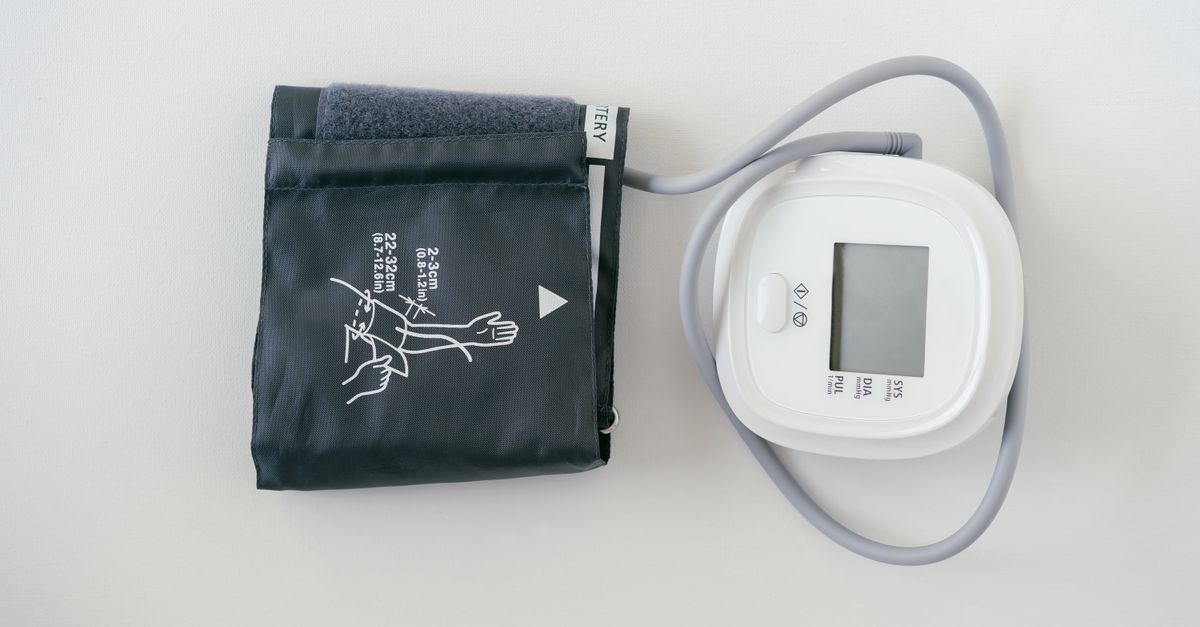
Because high blood pressure usually has no symptoms, the only way to know is to measure it. In England, adults aged 40 to 74 are invited for a free NHS Health Check every five years, and many pharmacies offer free blood pressure checks for adults over 40. You can also buy a home monitor; choose an upper-arm cuff model that has been clinically validated, and take readings at the same time of day, seated and rested.
If you’re making changes, home readings are a good way to see whether they’re working. Give it at least a few weeks before judging the effect.
Final thoughts
The most effective ways to lower blood pressure naturally are well established: eat less salt, eat more fruit, vegetables and wholegrains, lose weight if you need to, drink less, and move more. The newer finding is that isometric exercise, especially the humble wall sit, may give you more for your effort than most people realise. Each change is modest on its own, but together they can add up to a reduction similar to some medicines. This is general information, not medical advice. Speak to your GP or pharmacist about your own readings.
FAQs
How can I lower my blood pressure quickly?
There’s no safe instant fix, but salt reduction, regular exercise and cutting back on alcohol can all lower blood pressure within weeks. If you have a very high reading with symptoms such as chest pain or a severe headache, call 999.
What is a normal blood pressure for adults in the UK?
Ideal blood pressure is between 90/60 and 120/80. High blood pressure is usually 140/90 or higher at a surgery or pharmacy, or 135/85 or higher at home.
What is the best exercise to lower blood pressure?
A 2023 analysis of 270 trials found isometric exercise, especially wall sits, had the biggest effect on resting blood pressure. Aerobic exercise, strength training and HIIT all helped too.
How much salt should I eat a day?
Adults should have no more than 6g of salt a day, about a teaspoon. Most of it comes from processed foods such as bread, cereals, cheese, processed meat and ready meals.
Do bananas lower blood pressure?
Bananas are a good source of potassium, which helps your body balance sodium. They help as part of a diet rich in fruit and vegetables, but no single food will lower blood pressure on its own.
Can I come off blood pressure tablets if I change my lifestyle?
Some people are able to reduce or stop medication after significant lifestyle changes, but this should only ever be done with your GP’s guidance and regular monitoring.
Does stress cause high blood pressure?
Stress raises blood pressure temporarily. Long-term stress may contribute to high blood pressure, partly through habits such as poor sleep, drinking and less exercise.
Why is my blood pressure higher at the doctor’s?
Many people feel anxious during a check, which can push readings up. This is sometimes called “white coat” hypertension, and it’s one reason home or 24-hour monitoring is used to confirm a diagnosis.
Sources
- NHS: High blood pressure (hypertension)
- NHS: Blood pressure test
- British Heart Foundation: High blood pressure
- Patient.info: Blood pressure, understanding your readings (BHF prevalence figures)
- UKHSA / Public Health England: Health matters, combating high blood pressure (6g salt)
- Edwards et al. (2023), Exercise training and resting blood pressure: large-scale pairwise and network meta-analysis, British Journal of Sports Medicine
- Canterbury Christ Church University: wall squat training frequency trial (ISRCTN62287921)
- Blood Pressure UK: Planks and wall sits best exercise for lowering blood pressure
- American Heart Association / ACC guideline table, nonpharmacological interventions (Prog Cardiovasc Dis 2019)
- J Clin Hypertens (2020): approximate changes in blood pressure with lifestyle change
- UK Chief Medical Officers' low risk drinking guidelines