Walking after meals: does a 10-minute stroll really help?
Short walks after eating reliably blunt the rise in blood sugar. Here is what the trials show, how to do it, and where the evidence runs out.
Walking after meals: does a 10-minute stroll really help?
In a 2016 trial from the University of Otago, people with type 2 diabetes who walked for 10 minutes after each main meal had blood sugar levels after eating that were about 12% lower than when they did a single 30-minute walk at another time of day. After the evening meal, the difference rose to 22%.
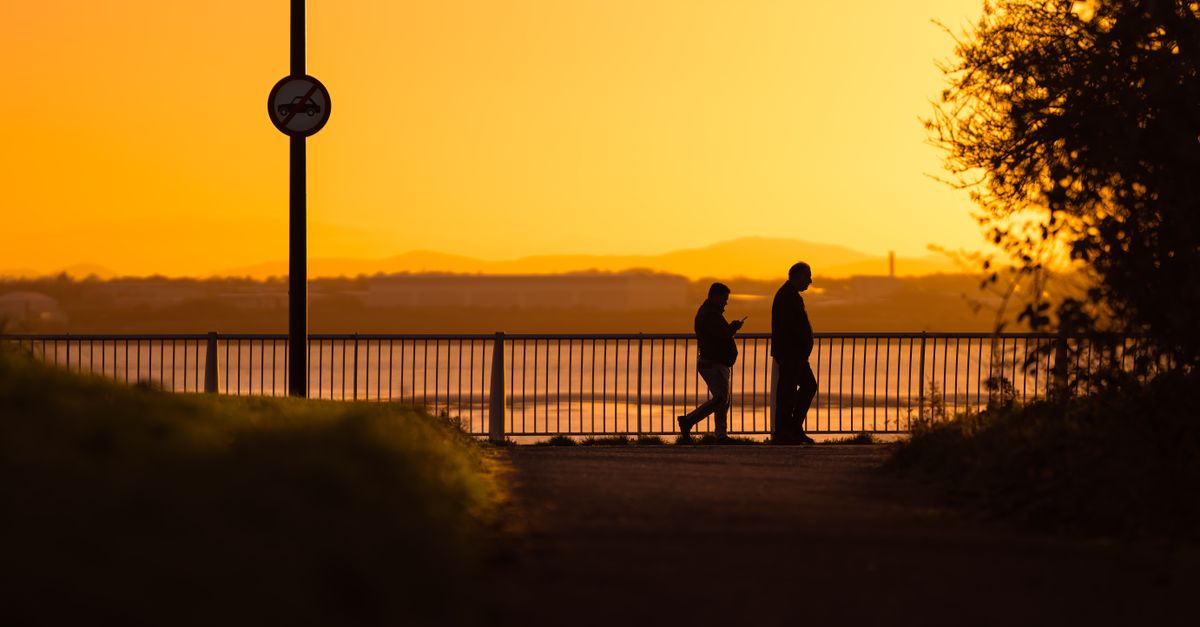
That is a striking result for something so ordinary. It also explains why the after-dinner walk, once something your grandparents did out of habit, has had a second life on social media. So what does the evidence actually show, who benefits most, and is it worth putting your coat on in November?
What happens in your body after a meal
When you eat a meal containing carbohydrate, it is broken down into glucose and absorbed into your blood. Your body releases insulin to move that glucose into cells, especially muscle, liver and fat. In most people, levels peak within an hour or two and then fall back.
Working muscles can take up glucose from the blood on their own, partly independently of insulin. So if you use your leg muscles while glucose is arriving from a meal, some of it gets used straight away rather than lingering in the bloodstream. That is the simple mechanism behind the post-meal walk, and it is why the walk does not need to be hard or long to make a measurable difference.
HealthSQ has covered blood sugar spikes in more detail elsewhere. The short version is that occasional rises after eating are normal for everyone. The interest in post-meal walking is mostly about people whose levels rise higher and stay up longer, such as those with type 2 diabetes or prediabetes.
The key studies
The Otago trial (2016). Researchers led by Andrew Reynolds asked 41 adults with type 2 diabetes to follow two walking plans, each for two weeks, a month apart. In one, they walked 30 minutes once a day. In the other, they walked 10 minutes after each main meal. The total time was the same. Continuous glucose monitors showed post-meal blood sugar was on average 12% lower with the after-meal walks, with most of the benefit coming after the evening meal. The study was published in Diabetologia.
The older adults study (2013). A smaller US study in Diabetes Care followed 10 people aged 60 and over who had higher than normal fasting blood sugar. Over controlled two-day stays, they either took a 15-minute walk after each meal or a single 45-minute walk in the morning or afternoon. The three short walks lowered 24-hour glucose about as well as the longer walk, and the post-dinner walk was notably better at lowering blood sugar for up to three hours after the evening meal. The authors said larger trials were needed.
Breaking up sitting (2022). A meta-analysis in Sports Medicine pooled seven short crossover trials in which adults, mostly overweight, broke up long periods of sitting with either standing or light walking. Both helped compared with sitting still, but light walking beat standing for both after-meal glucose and insulin.
How to do it
The studies used fairly gentle walking, the kind where you can chat easily, and none of them needed special kit. Based on what was tested:
- Start soon after eating. Within roughly the first half hour seems sensible, given the timing findings, though there is no exact cut-off
- Ten to fifteen minutes is plenty. That was the length used in the main trials. Longer is fine if you enjoy it
- Prioritise the evening meal. If you can only manage one walk a day, after dinner is where the studies saw the biggest effect
- Keep it easy. A comfortable pace works. If you want it to count as moderate activity under NHS guidelines, aim for a pace where you can talk but not sing
- Indoors still counts. On a wet November night, walking around the house, up and down stairs or doing the washing up on your feet is better than sitting straight down
For people who sit at a desk all day, the sitting research suggests short walking breaks during the afternoon are also worth trying, alongside any walk after lunch.
Does it help digestion too?
The traditional reason for an after-dinner stroll was to help a meal go down, and there is a little evidence for this. Two small studies, each with 10 healthy men, found walking after a meal sped up how quickly the stomach emptied compared with resting. One of them found no difference in feelings of fullness or bloating, though. A review of these studies concluded walking may speed stomach emptying, but could not show it relieves indigestion symptoms. So it may help, but the evidence is thin. If you have persistent heartburn or indigestion, a GP or pharmacist is a better first port of call than a walking plan.
What we do not know yet
Most post-meal walking studies measure blood sugar over hours or a couple of weeks. They show that walking reliably blunts the rise after eating, but they do not show whether a post-meal walk habit, on its own, reduces your long-term risk of heart disease or diabetes complications. That kind of trial would need many people followed for years.
The studies are also small, usually with a few dozen participants or fewer, and some were carried out with standardised meals in lab conditions. Real life is messier. Still, the findings point in the same direction across different groups, the downside risk is minimal, and walking has well-established health benefits of its own. That combination makes it an easy recommendation.
Final thoughts
A 10-minute walk after eating will not undo a poor diet or replace medication, but the evidence that it lowers the blood sugar rise after a meal is consistent, and the habit is cheap, gentle and sociable. If you only pick one meal, make it dinner. This is general information, not medical advice. If you have diabetes or another long-term condition, or you have been inactive for a while, check with your GP before making big changes to your activity.
FAQs
Does walking after eating lower blood sugar?
Yes, in the short term. Several small trials show walking after a meal lowers the rise in blood sugar compared with sitting, in people with and without type 2 diabetes.
How long should I walk after a meal?
The main trials used 10 to 15 minutes. That appears to be enough to make a measurable difference, and you can go longer if you like.
How soon after eating should I walk?
The 2023 meta-analysis found the benefit was greatest when exercise started soon after eating. Within the first half hour or so is a reasonable target.
Is walking after dinner better than after breakfast?
In the Otago trial and the older adults study, the evening walk had the biggest effect, probably because dinner is often the largest meal and is followed by the most sitting.
Is it bad to walk straight after a big meal?
For a gentle stroll, generally not. Some people feel uncomfortable exercising hard on a full stomach, so keep the pace easy and slow down if you feel unwell.
Does it help with weight loss?
A short walk burns a modest amount of energy and counts towards your weekly activity, but the studies here looked at blood sugar, not weight. If weight is a concern, your GP can talk you through support that is available.
Can I just stand up instead?
Standing is better than sitting, but in the 2022 meta-analysis, light walking had a bigger effect on blood sugar and insulin than standing.
Does walking after meals help digestion?
Two small studies found it speeds up stomach emptying, but there is no clear evidence it relieves bloating or indigestion. The evidence is limited.
Does a post-meal walk count as exercise?
Yes. If you walk briskly enough that you can talk but not sing, it counts towards the NHS recommendation of at least 150 minutes of moderate activity a week.
Sources
- Reynolds et al.: Advice to walk after meals is more effective for lowering postprandial glycaemia in type 2 diabetes, Diabetologia (2016), University of Otago summary
- DiPietro et al.: Three 15-min bouts of moderate postmeal walking improves 24-h glycemic control in older people, Diabetes Care (2013)
- DiPietro et al. (2013) study summary, News-Medical
- Engeroff, Groneberg & Wilke: After dinner rest a while, after supper walk a mile? Systematic review and meta-analysis, Sports Medicine (2023)
- Buffey et al.: Acute effects of interrupting prolonged sitting with standing and light-intensity walking, Sports Medicine (2022)
- BestBETs: Walking after dinner to accelerate gastric emptying
- NHS: Physical activity guidelines for adults aged 19 to 64