How to lower cholesterol naturally: what makes a measurable difference
Around half of UK adults have raised cholesterol, and most don't know it. Here's how much difference cutting saturated fat, oats, plant sterols, soya, nuts and exercise really make, and when lifestyle changes aren't enough.
How to lower cholesterol naturally: what makes a measurable difference
High cholesterol is one of the most common health problems in the UK, and one of the easiest to miss. It doesn’t cause symptoms, so most people only find out from a blood test. The Health Survey for England found that in 2019 around 40% of men and 45% of women had raised total cholesterol. In a 2023 analysis of more than 200,000 volunteers in the Our Future Health research programme, the figure was 54%.
The good news is that cholesterol responds to what you eat and how you live, and some changes have surprisingly precise evidence behind them. Here’s how to lower cholesterol naturally, how much difference each change makes, and when lifestyle changes alone may not be enough.
Cholesterol explained in two minutes
Cholesterol is a fatty substance your body needs to build cells and make hormones. Your liver makes most of it. Because it can’t float freely in the blood, it travels in packages called lipoproteins:
- LDL (low-density lipoprotein) delivers cholesterol to your cells. Too much of it can build up in artery walls, narrowing them and raising your risk of heart attack and stroke. This is the “bad” cholesterol
- HDL (high-density lipoprotein) carries cholesterol back to the liver to be cleared. This is the “good” cholesterol
- Non-HDL is your total cholesterol minus your HDL. It includes LDL and other harmful particles, and many doctors now use it as the main number to watch
As a rough guide, the NHS says healthy adults should aim for:
- Total cholesterol: 5mmol/L or below
- Non-HDL cholesterol: 4mmol/L or below
- LDL cholesterol: 3mmol/L or below
- HDL cholesterol: 1mmol/L or above for men, 1.2mmol/L or above for women
Your own targets may differ if you have heart disease, diabetes or other risk factors, so check with your GP or nurse.
1. Swap saturated fat for unsaturated fat
Saturated fat has a bigger effect on blood cholesterol than the cholesterol in food itself. It’s found mainly in fatty and processed meat, butter, ghee, lard, cheese, cream, cakes, biscuits, pastries, and coconut and palm oil.
UK guidance is that men should eat no more than 30g of saturated fat a day and women no more than 20g. Most of us eat more than that.
The key word is swap. Replacing saturated fat with unsaturated fats, rather than with refined carbohydrates, is what lowers LDL. In practice that means:
- Cooking with olive, rapeseed or sunflower oil instead of butter or lard
- Choosing leaner cuts of meat and having more meals built around fish, beans, lentils or tofu
- Snacking on unsalted nuts and seeds instead of biscuits or pastries
- Eating oily fish such as salmon, mackerel or sardines once a week
- Treating cheese, cream and processed meats as occasional rather than daily
What about eggs? Dietary cholesterol, found in eggs and shellfish, has much less effect on blood cholesterol than saturated fat for most people, which is why UK guidance no longer sets a limit on eggs as part of a balanced diet.
2. Eat oats and barley every day
Oats and barley contain beta-glucan, a type of soluble fibre that forms a gel in your gut. It binds to bile acids, which are made from cholesterol, and helps carry them out of the body. Your liver then pulls more cholesterol out of your blood to replace them.
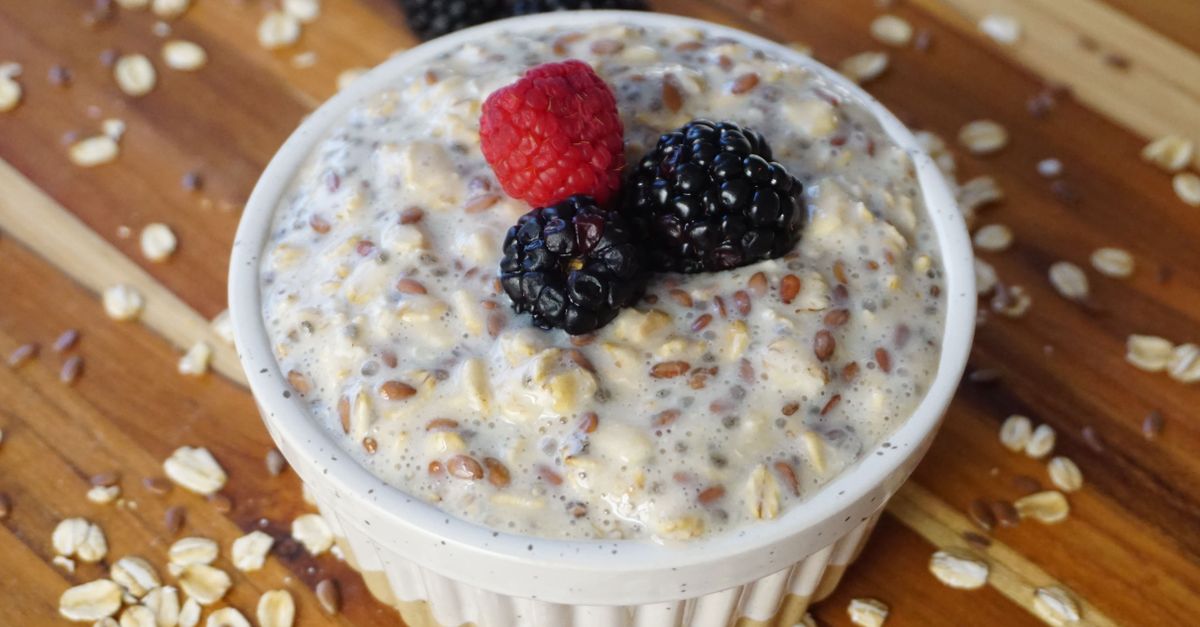
Eating 3g of beta-glucan a day is proven to lower cholesterol. That’s more than a single bowl of porridge, which Which? estimates provides around 1g, so it helps to spread it through the day: porridge or overnight oats in the morning, oatcakes as a snack, and pearl barley in soups and stews.
More broadly, soluble fibre from beans, lentils, chickpeas, fruit and vegetables all helps, and most of us fall short of the recommended 30g of fibre a day. If you need ideas, our guide to healthy winter comfort food is a good place to start.
3. Consider plant sterols and stanols
Plant sterols and stanols are compounds that look a lot like cholesterol. In your gut they compete with it for absorption, so less cholesterol gets into your bloodstream. They occur naturally in plants, but only in tiny amounts, so the useful doses come from fortified foods such as mini yoghurt drinks and spreads.
A few cautions: NHS dietitians advise only using these products if you need to lower your cholesterol, sticking to the recommended amount, and checking with your doctor first if you’re pregnant, breastfeeding or buying for a child. They need to be eaten every day, usually with a meal, to keep working.
4. Add soya and nuts
Two other foods have evidence for a modest cholesterol-lowering effect:
- Soya foods, such as soya milk, yoghurt, edamame beans and tofu. Around 15g of soya protein a day has been linked to a reduction of up to about 6%
- Nuts, such as almonds, walnuts and pistachios. A handful (around 30g) a day has been linked to a reduction of around 5%
Why combining foods works
Each of these changes is modest on its own, but they work in different ways, so the effects add up. This is the idea behind the “portfolio diet”, developed by researchers at the University of Toronto, which combines plant sterols, soluble fibre, soya protein and nuts in a diet low in saturated fat.
In a six-month trial in which people followed the portfolio diet at home under real-world conditions, LDL fell by around 13% on average, and about a third of participants cut it by 20% or more. That’s not as powerful as a statin, but for someone with mildly raised cholesterol it can make a real difference.
5. Move more
Regular physical activity helps lower non-HDL cholesterol and raise HDL. One 2013 paper reported that aerobic exercise such as brisk walking, running or cycling improved both LDL and HDL by around 5%.
The UK target is at least 150 minutes of moderate activity a week, plus strength exercises on two days. If that feels like a lot, building activity into your day counts. Even a 10-minute walk after meals has other metabolic benefits, and zone 2 cardio is a sustainable way to build up.
6. Lose weight if you need to, and stop smoking
If you’re carrying extra weight, losing around 10% of your body weight can improve cholesterol, triglycerides and blood pressure, and lower your risk of type 2 diabetes. Fat around the middle matters most.
Smoking lowers HDL cholesterol and makes LDL more likely to stick to artery walls. Stopping improves your HDL and cuts your heart disease risk significantly within a few years. The NHS Quit Smoking service offers free support.
Cutting back on alcohol helps too, as heavy drinking raises triglycerides and adds calories.
When lifestyle changes aren’t enough
Diet and exercise can lower cholesterol, but not always far enough. Your genes have a big influence on how much cholesterol your liver makes.
Around 1 in 250 people has familial hypercholesterolaemia, an inherited condition that causes very high cholesterol from birth regardless of diet. Clues include a total cholesterol above 7.5mmol/L, or a close relative who had a heart attack or stroke at a young age. If this sounds like your family, tell your GP, as it’s very treatable once diagnosed.
For others, the decision to take a statin depends on your overall risk of heart attack and stroke over the next ten years, which your GP calculates using your age, sex, blood pressure, smoking status, cholesterol and other factors. Statins can reduce non-HDL cholesterol by 30% to 50%, according to the cholesterol charity Heart UK. Many people use them alongside the changes above rather than instead of them.
Getting your cholesterol checked
In England, adults aged 40 to 74 without existing heart disease, diabetes or certain other conditions are invited for a free NHS Health Check every five years, which includes a cholesterol test. You can also ask your GP for a test if you’re worried, have a family history of high cholesterol or heart disease, or are overweight. Many pharmacies offer finger-prick tests.
Once you’ve made changes, give them around three months before retesting, as that’s when you can expect to see the effect in your results.
Final thoughts
Lowering cholesterol naturally isn’t about one superfood. The biggest gains come from cutting saturated fat and replacing it with unsaturated fats, then layering on oats and barley, plant sterols, soya and nuts, plus regular activity. Together, these can lower LDL by a meaningful amount. If your numbers stay high, or high cholesterol runs in your family, a statin may be the right next step, and it isn’t a sign that you’ve failed. This is general information, not medical advice. Speak to your GP about your own results and risk.
FAQs
How can I lower my cholesterol quickly?
Plant sterols and stanols can lower LDL cholesterol by 7% to 10% within two to three weeks. Cutting saturated fat and adding oats, beans and nuts also shows results within a few weeks to months. Retest after around three months.
What is a healthy cholesterol level in the UK?
The NHS guide is a total cholesterol of 5mmol/L or below, non-HDL of 4 or below, LDL of 3 or below, and HDL of 1 or above for men or 1.2 or above for women.
What foods lower cholesterol the most?
Oats and barley, fortified plant sterol or stanol products, soya foods, nuts, beans and lentils have the best evidence. Replacing butter and fatty meat with unsaturated fats such as olive oil matters most of all.
Are eggs bad for cholesterol?
For most people, no. Saturated fat has a much bigger effect on blood cholesterol than the cholesterol in eggs, and UK guidance no longer sets a limit on eggs as part of a balanced diet.
Can you lower cholesterol without statins?
Often, yes, if your levels are only mildly raised. Diet and exercise can lower LDL by 10% to 20% or more when combined. People with very high cholesterol or familial hypercholesterolaemia usually need medication too.
Does exercise lower cholesterol?
Yes. Regular aerobic exercise helps lower non-HDL cholesterol and raise HDL cholesterol. Aim for at least 150 minutes of moderate activity a week.
Can thin people have high cholesterol?
Yes. Genes, diet and other factors affect cholesterol regardless of weight, which is why a blood test is the only way to know your levels.
How long does it take to lower cholesterol with diet?
Some changes, such as plant sterols, work within weeks. Most people see a clear difference in their results within three months of consistent changes.
Sources
- NHS England: Health Survey for England 2021 part 2, adults' health: cholesterol
- Our Future Health: over half of people found to have high cholesterol (2023)
- NHS Inform / NHS 111 Wales: High cholesterol, healthy levels
- Leeds Teaching Hospitals NHS: cholesterol-lowering foods leaflet (sterols and stanols)
- Which?: What really works to lower cholesterol
- Patient.info: How to lower cholesterol without statins (portfolio diet figures)
- BBC Food: How to lower cholesterol through diet (saturated fat limits, sterols)
- BBC Science Focus: reducing cholesterol without statins (exercise, dietary cholesterol)
- Heart UK guidance via The Independent: statins reduce non-HDL by 30% to 50%
- NHS: High cholesterol