Soup, porridge and winter comfort food: what's genuinely good for you
Soup, porridge and stews can be some of the most nourishing meals of winter. Here is what the evidence says, and where the salt and sugar hide.
Soup, porridge and winter comfort food: what’s genuinely good for you
When Action on Salt and Sugar looked at 481 ready-to-eat soups sold in UK supermarkets, it found that almost a quarter contained more salt than the government’s voluntary target, and the average suggested serving contained 1.43g of salt. That is nearly a quarter of the adult daily maximum in one bowl, before you have even buttered your bread.
None of which means soup is bad for you. Soup, porridge, stews and other winter comfort foods can be some of the most nourishing things you eat all year. It just depends on what goes in them. Here is what the evidence says about the classics, and how to get the most from them without overthinking it.
Why comfort food has a bad reputation
When people talk about comfort food, they often mean things that are high in fat, sugar or salt and low in almost everything else. The trouble is that the category also includes some genuinely good stuff. Porridge, lentil soup, vegetable stews, baked potatoes and bean chillies are all warm, filling and cheap, and many of them are rich in fibre and vegetables.
The difference usually comes down to two things: how much of the dish is vegetables, pulses and whole grains, and how much salt, saturated fat or sugar comes along with them. HealthSQ has covered fibre and ultra-processed food separately, so this piece sticks to the winter staples themselves.
Soup: the good, the salty and the surprisingly filling
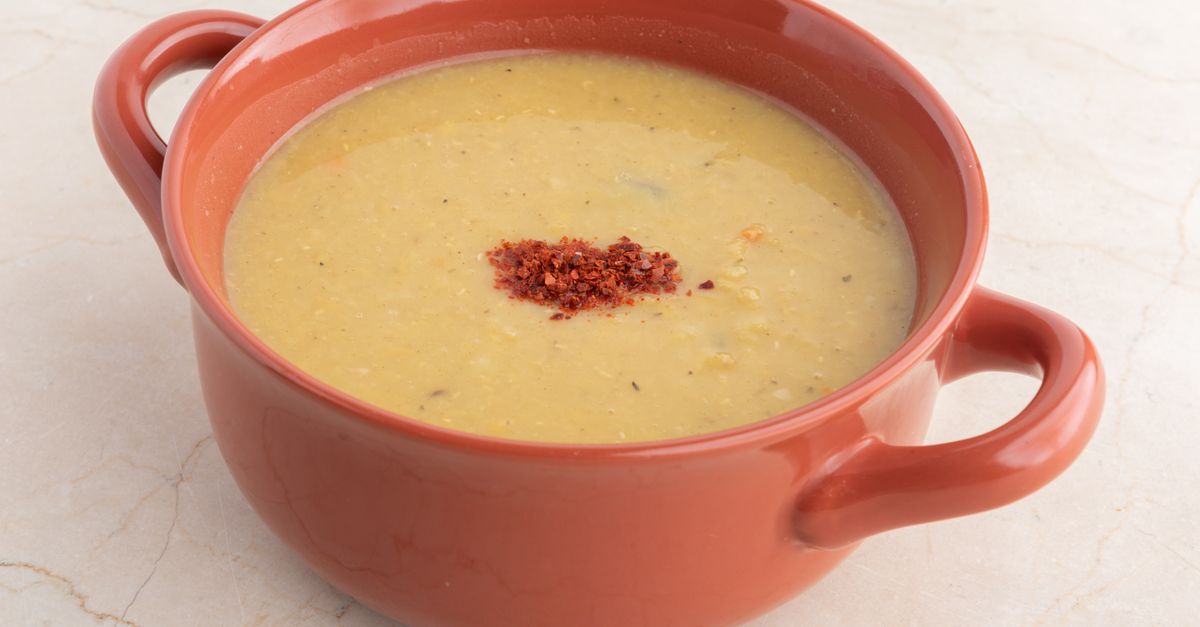
Soup is one of the easiest ways to eat more vegetables in winter. The NHS confirms that vegetables cooked in soups, stews and pasta dishes count towards your 5 A Day. A portion is 80g, and frozen and tinned vegetables count too, which matters when fresh produce is pricier in the colder months.
Pulses are a bonus. Lentils, chickpeas and beans add protein and fibre, and an 80g portion counts as one of your 5 A Day, though only once a day, however much you eat.
Soup also seems to help with fullness. In a well-known 1999 study by Barbara Rolls and colleagues, 24 women ate a chicken and rice dish before lunch on different days. When the dish was served as soup, with the water mixed in, they felt fuller and ate less at lunch than when they had the same food as a casserole, even with a glass of water on the side. They did not make up for it later at dinner. It was a small, short lab study, but it fits a wider pattern: foods with a high water content tend to be filling for the energy they contain.
The catch is salt. The Action on Salt and Sugar survey, published in February 2026, found that 23% of the soups it looked at exceeded the government’s voluntary salt target, with branded soups much more likely to go over than supermarket own-label ones. Around one in nine contained more than 2g of salt per suggested serving.
Porridge: the winter breakfast with real evidence
Porridge is about as close to a genuinely evidence-backed comfort food as it gets. The NHS describes plain porridge with fruit as a warming winter breakfast and notes that some of the fibre in oats may help reduce cholesterol.
That fibre is mainly beta-glucan, a soluble fibre that forms a thick gel in the gut. The cholesterol evidence above is reasonably robust, but there are a few practical points:
- Plain oats are the base. Rolled, jumbo or steel-cut oats all count. Instant flavoured sachets can carry a lot of added sugar, so check the label
- Toppings matter. Fruit, a spoon of nuts or seeds, or a little yoghurt add flavour and nutrients. Generous golden syrup or brown sugar every morning is a different breakfast
- The 3g is a daily total. How much beta-glucan is in one bowl depends on the product and your portion, so check the pack. Oats in other meals, such as an oat-topped crumble or oats stirred into soup, can add up
Stews, casseroles and jacket potatoes
Slow-cooked stews and casseroles are naturally good vehicles for vegetables and pulses, and they make use of cheaper cuts and tinned or frozen ingredients. The main things to watch are stock cubes, gravy granules and processed meats, which the NHS lists among common sources of salt. Low-salt stock and more herbs, spices, garlic and black pepper can make up the flavour.
Jacket potatoes do not count towards your 5 A Day, as the NHS classes potatoes as a starchy food, but they are a good source of fibre if you eat the skin. The NHS recommends leaving the skins on boiled or baked potatoes for that reason. Topped with beans, tuna or a vegetable chilli, a jacket potato is a solid winter meal.
What about chicken soup for colds?
Chicken soup’s reputation as a cold remedy has a small amount of science behind it. A 2000 study in the journal Chest by Stephen Rennard and colleagues found that chicken soup slowed the movement of certain white blood cells involved in inflammation, in a lab dish. That is interesting, but it was not tested in people with colds, and nobody identified which ingredient might be responsible.
So the honest verdict is that chicken soup will not cure a cold or flu. It is, however, warm, easy to eat when your appetite is poor, and helps with fluids, all of which make it a perfectly reasonable thing to have when you feel rough. The NHS’s usual advice for colds still applies: rest, drink plenty, and speak to a pharmacist about remedies.
Final thoughts
Winter comfort food does not have to be a guilty pleasure. A bowl of vegetable and lentil soup, a pan of porridge with fruit or a bean-heavy stew can be some of the most nutritious meals of the week, provided you keep an eye on salt and sugar. Homemade versions give you the most control, but checking labels on shop-bought options gets you most of the way there. This is general information, not medical advice. If you have a condition such as high blood pressure, high cholesterol or diabetes, your GP or a registered dietitian can help tailor your diet to your needs.
FAQs
Is soup actually healthy?
It can be very healthy, especially when it is packed with vegetables and pulses. The main thing to watch is salt, which varies a lot between shop-bought soups.
Does soup count towards my 5 A Day?
Yes. The NHS says vegetables cooked in soups and stews count. Beans and pulses count too, but only once a day.
Is porridge good for lowering cholesterol?
Oats contain beta-glucan, a fibre shown to lower LDL cholesterol modestly when you eat at least 3g a day as part of a balanced diet. Porridge is an easy way to get some of it.
Are instant porridge pots as good as plain oats?
Plain versions can be similar, but many flavoured sachets and pots contain added sugar. Check the label, or add your own fruit for sweetness.
How much salt is too much in a soup?
Adults should have no more than 6g of salt a day in total. A survey found the average suggested soup serving contained 1.43g, and some had more than 2g, so comparing labels helps.
Is homemade soup better than shop-bought?
Not automatically, but making it yourself lets you control the salt and add more vegetables and pulses. Low-salt stock cubes make a real difference.
Does chicken soup help a cold?
It will not cure one. A lab study found chicken soup affected white blood cells in a dish, but this has not been shown to help symptoms in people. It is still warming, hydrating and easy to eat when you feel ill.
Do potatoes count as one of my 5 A Day?
No. The NHS classes potatoes as a starchy food. They are still a good source of fibre if you eat the skins.
Do frozen and tinned vegetables count in soup?
Yes. The NHS says frozen and tinned vegetables count towards your 5 A Day. For tinned, choose those in water with no added salt or sugar.
Sources
- Action on Salt and Sugar soup survey, reported by Press Association (Feb 2026)
- NHS: 5 A Day, what counts?
- NHS: Salt in your diet
- NHS: Starchy foods and carbohydrates
- Whitehead et al.: Cholesterol-lowering effects of oat beta-glucan, a meta-analysis of randomized controlled trials, American Journal of Clinical Nutrition (2014)
- EFSA: Scientific opinion on oat beta-glucan and lowering blood cholesterol
- Rolls, Bell & Thorwart: Water incorporated into a food but not served with a food decreases energy intake, American Journal of Clinical Nutrition (1999)
- UNMC: Chicken soup inhibits neutrophil chemotaxis in vitro, Chest (2000)
- NHS: Common cold