Exercising in the cold and dark: is winter training harder on your body?
Cold air changes how your muscles, lungs and heart work during exercise. Here is what the evidence says, who needs extra care, and how to keep training safely through the dark months.
Exercising in the cold and dark: is winter training harder on your body?
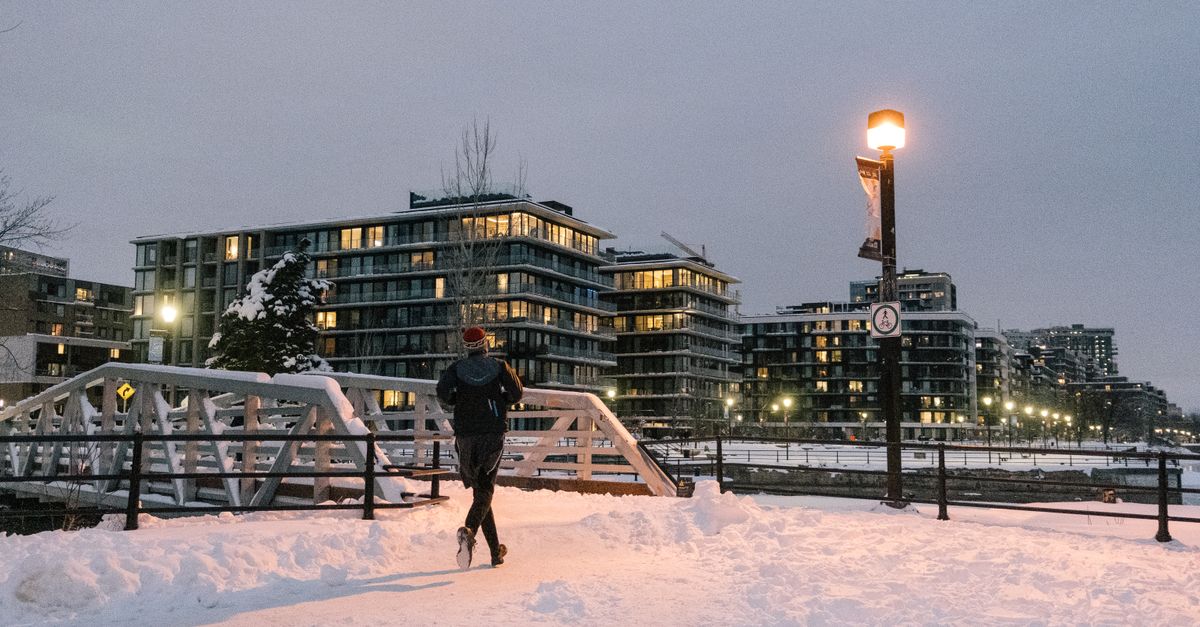
This week, the after-work run or ride became an after-dark one. The clocks went back on Sunday, and suddenly the same route feels colder, slower and a lot less appealing at 6pm than it did a month ago.
Some of that is mental, but some is real physiology. Cold air does change how your muscles, lungs and heart behave during exercise, and for a small group of people it carries genuine risk. For everyone else, the evidence is reassuring: winter training is not bad for you, it just needs a slightly different approach.
What cold actually does to your muscles
Muscles work best when they are warm. As they cool, they become stiffer and slower, and produce less force.
A 2021 review in the International Journal of Environmental Research and Public Health, which pulled together research on sport in cold environments, puts muscle temperature at the centre of winter performance. Maximal force and movement speed both drop as muscles cool, which matters most for sprints, jumps and lifting. The fix is not complicated: an active warm-up raises muscle temperature, but the benefit fades if you then stand around in the cold, so keep moving between warming up and starting your main session.
For steady endurance exercise, the picture is kinder. The same review notes that endurance performance appears to be best at roughly 10 to 13°C, which describes a lot of UK autumn and winter days. Problems start in sub-zero conditions, and especially when cold combines with wind, rain or inadequate clothing.
Do you burn more energy in the cold?
A little, but it is not a hack. Exercising in the cold can raise oxygen consumption, and shivering uses extra energy. The research review also found that moderate sub-zero exercise shifts the body towards using more carbohydrate as fuel.
Once you are dressed sensibly and moving, though, the extra cost is modest. The practical point: on long, cold sessions you may run low on energy sooner, so eat normally beforehand and carry a snack on longer outings.
Your lungs and cold air
Breathing cold, dry air hard and fast can irritate and narrow the airways, a response known as exercise-induced bronchoconstriction. It worsens as the temperature drops, which is why some people cough or wheeze after a winter run.
For people with asthma, cold air is a well-known trigger. Asthma + Lung UK highlights cold, dry winter air as a problem for many people with the condition. Practical steps that help include:
- Warm up gradually. The 2021 review found that 10 to 15 minutes of moderate warm-up may offer temporary protection against airway narrowing
- Cover your mouth and nose. A light scarf or buff warms the air slightly before it reaches your lungs
- Use your medicine as prescribed. If your GP or asthma nurse has given you an inhaler to use before exercise, use it, and always carry your reliever
- Slow down at the first sign of wheezing, and move indoors on very cold or dry days
Cold, your heart and your circulation
When you get cold, blood vessels in your skin, fingers and toes narrow to keep heat in. The British Heart Foundation explains that this raises pressure elsewhere in your circulation, so your heart works harder, with a higher heart rate and blood pressure. Blood can also become slightly thicker and more prone to clotting in winter.
For most healthy adults, this is a normal response, and regular exercise remains one of the best things you can do for your heart. The people who need more care are those with existing heart conditions, particularly angina, and older adults. The BHF’s advice for them is to stay warm, and on the coldest days to exercise indoors rather than skip activity altogether.
If you have Raynaud’s, where fingers and toes go white, blue or numb in the cold, NHS guidance notes that regular exercise can improve circulation. Keep your hands and feet especially warm, avoid sudden temperature changes, and consider gloves with a liner or hand warmers on cold outings.
How to train safely when it is cold and dark
Most winter training problems come down to kit, warm-up and visibility:
- Dress in layers, and expect to feel cold for the first few minutes. A thin moisture-wicking base layer, a light insulating layer and a windproof or waterproof outer layer let you adjust as you warm up. Overdressing leaves you sweaty, and wet clothing chills you fast once you slow down
- Look after your extremities. Hands, ears and feet lose heat quickly. Gloves and a hat make a bigger difference than an extra layer on your body
- Warm up indoors if you can. A few minutes of dynamic movement before you head out, such as leg swings, lunges and marching on the spot, gets muscles ready faster than starting cold on the doorstep
- Be visible. Wear bright or reflective clothing and a head torch on unlit routes. If you cycle, the Highway Code says your bike must have white front and red rear lights lit at night, along with a red rear reflector and amber pedal reflectors on most bikes
- Choose your route with the dark in mind. Stick to well-lit, familiar paths, watch for ice and wet leaves, and tell someone where you are going if you are heading out alone
- Change quickly afterwards. The biggest chill often comes after you stop. Get out of damp kit and into something warm as soon as possible
Keeping going through the winter
The biggest risk of the cold and dark is not to your heart or lungs. It is that you quietly stop moving for four months. NHS guidance for adults is at least 150 minutes of moderate activity or 75 minutes of vigorous activity a week, plus strength exercises on two days, and that does not pause for winter.
Shift some sessions to lunchtime to catch the daylight, have an indoor plan for the nastiest days, and lower the bar when you need to: a brisk 20-minute walk on a dark evening still counts.
Final thoughts
Winter training is a little harder on your body, but not in a way that should put most people off. Cold muscles need a better warm-up, cold air can irritate sensitive lungs, and people with heart conditions should take more care on the coldest days. For everyone else, layering sensibly, staying visible and keeping going is the evidence-based approach. This is general information, not medical advice; if you have a heart or lung condition, speak to your GP or specialist team about exercising in the cold, call 999 for chest pain, and contact NHS 111 if you are unsure where to turn.
FAQs
Is it bad to exercise in cold weather?
Not for most healthy people. Exercising in typical UK winter weather is safe with the right clothing and warm-up. Extra care is needed for people with heart or lung conditions and in very cold, windy or icy conditions.
What temperature is too cold to run outside?
There is no single cut-off for healthy adults. A 2021 review suggests moving training indoors below around minus 15°C, which is rare in most of the UK. Ice, wind and darkness are usually more practical reasons to change plans.
Why do my lungs hurt when I run in the cold?
Cold, dry air can irritate and narrow the airways, especially when you breathe hard through your mouth. Warming up gradually and covering your mouth and nose with a scarf or buff can help.
Should I exercise outside if I have asthma?
Many people with asthma exercise outdoors in winter safely. Warm up gradually, cover your mouth and nose, use any inhaler prescribed for exercise and carry your reliever. Move indoors on very cold or dry days.
Is cold weather exercise risky for your heart?
For healthy people, no more than normal exercise. Cold raises blood pressure and makes the heart work harder, so people with angina or other heart conditions should keep warm and consider exercising indoors on the coldest days.
What should I wear for running in winter?
Thin layers you can adjust, starting with a moisture-wicking base layer, plus gloves, a hat and bright or reflective clothing. Aim to feel slightly cold for the first few minutes.
Do I need lights to cycle in the dark?
Yes. Under the Highway Code, a bike used at night must have white front and red rear lights lit, plus a red rear reflector and, on bikes made after October 1985, amber pedal reflectors.
How do I stay motivated to exercise in winter?
Move some sessions to lunchtime for daylight, have an indoor backup plan and keep sessions short when you need to. Consistency matters more than intensity through the darker months.
Sources
- Gatterer et al.: Practicing sport in cold environments, practical recommendations to improve sport performance and reduce negative health outcomes, IJERPH (2021)
- British Heart Foundation: The effect of cold weather on your heart
- Advnture: Is running in cold weather bad for asthma? (pharmacist advice, citing Asthma + Lung UK)
- NHS: Raynaud's
- NHS: Physical activity guidelines for adults aged 19 to 64
- UK Government: The Highway Code, rules for cyclists (59 to 82)