Meal prep without the misery: what actually keeps in a fridge
The real UK food-safety rules on cooling, fridge timing and reheating make batch cooking far less stressful, and rice is trickier than you'd think.
Meal prep without the misery: what actually keeps in a fridge
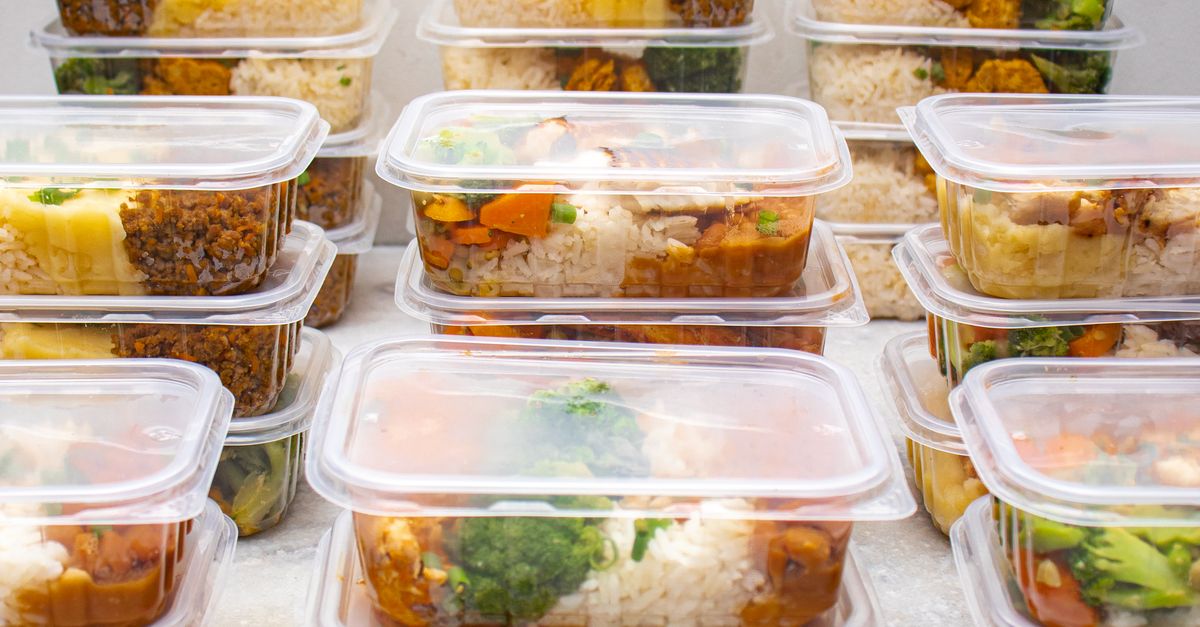
Meal prep has a reputation problem: either it means seven identical plastic tubs of chicken and rice, or it means throwing out half a fridge full of good intentions by Thursday. The actual UK food safety guidance on what keeps, for how long, and how to handle it is more forgiving and more useful than either version, and knowing the real rules makes batch cooking far less stressful.
The core rule that governs everything else
The UK Food Standards Agency’s guidance for cooked food is straightforward and worth memorising in full, because most meal-prep food safety questions trace back to it: cool cooked food properly, get it into the fridge within two hours of cooking, and eat it within 48 hours, or freeze it if you know you won’t get through it in that window. The two-hour window matters because of what the FSA calls “the danger zone” (roughly 8°C to 63°C), the temperature range where bacteria can multiply fastest. The longer cooked food sits in that zone before chilling, the more opportunity bacteria have to grow, regardless of how good the ingredients were to start with.
Practically, this means: don’t leave a big batch-cooked pot of chilli or curry cooling on the counter for hours before fridging it. Splitting it into smaller, shallower containers speeds up cooling considerably, since smaller portions and larger surface area let heat escape faster, a genuinely useful trick if you’re prepping in bulk.
Your fridge temperature actually matters
It’s a legal requirement in England, Wales and Northern Ireland that chilled food is kept at 8°C or below, but the FSA specifically recommends setting your fridge to 5°C or lower in practice, to account for temperature fluctuations from door-opening and a full fridge. If you’ve never checked, an inexpensive fridge thermometer is a one-off purchase that removes the guesswork: a fridge running warmer than you think is one of the more common, invisible reasons meal-prepped food goes off faster than expected.
The food that catches people out: rice
Of all the common meal-prep staples, cooked rice deserves particular attention, because the risk with it works differently from most other foods. Raw rice can contain spores of a bacterium (Bacillus cereus) that survive normal cooking temperatures. If cooked rice is then left at room temperature for too long, those spores can germinate and produce a toxin that isn’t destroyed by reheating: meaning the usual “just reheat it thoroughly” fix doesn’t fully apply to rice the way it does to most other leftovers. This is why the FSA specifically advises keeping cooked rice in the fridge for no more than one day before reheating, a tighter window than the general 48-hour guidance for most other cooked food.
Reheating: the rules that actually matter
Leftovers can be eaten cold if they were properly cooked, cooled, and refrigerated within that two-hour window. If you’re reheating, the FSA’s standard is that food needs to be steaming hot all the way through, not just warm: bacteria can survive in cooler pockets inside a dish even when the surface feels properly hot, particularly in thicker portions like dense stews or large cuts of meat. A food thermometer removes the guesswork entirely if you want certainty, but visually, look for steam rising from the centre of the food, not just the edges.
The other rule worth internalising: only reheat food once. Each cycle of cooling and reheating gives bacteria another opportunity to multiply, so repeatedly warming up small portions from the same batch over several days compounds risk rather than reducing waste safely: better to portion out only what you’ll eat in one sitting before reheating.
What this means for realistic batch cooking
Given the 48-hour general window (and the tighter one-day window for rice), a genuinely realistic meal-prep approach for most people looks less like “cook everything for the entire week on Sunday” and more like: batch-cook proteins and sturdier components (stews, curries, roasted vegetables, cooked grains other than rice) that hold up well across 2 days in the fridge, freeze portions you won’t get through in that window, and treat rice as something to cook in smaller, closer-to-mealtime batches rather than a big Sunday batch sitting in the fridge until Thursday.
The honest takeaway
Meal prep doesn’t have to mean a week of identical containers, but it does need to respect a few non-negotiable timing rules: cool and fridge within two hours, eat most cooked food within 48 hours (rice within 24), keep your fridge genuinely cold, and reheat food thoroughly just once. Working with those limits, rather than assuming everything keeps indefinitely, is what actually makes batch cooking sustainable rather than a source of either food waste or food safety risk.
FAQs
How long does cooked food actually keep in the fridge?
Generally up to 48 hours, according to UK Food Standards Agency guidance, provided it was cooled and refrigerated within two hours of cooking. Cooked rice is an exception, at just one day.
Why is rice more time-sensitive than other leftovers?
Raw rice can carry heat-resistant bacterial spores that survive cooking. If cooked rice sits at room temperature too long, these spores can germinate and produce a toxin that isn’t destroyed by reheating, which is why the FSA recommends a tighter one-day fridge window specifically for rice.
What temperature should my fridge actually be?
UK law requires chilled food to be kept at 8°C or below, but the FSA recommends setting your fridge to 5°C or lower to account for normal fluctuations from door-opening and load.
Do I need to let food cool completely before putting it in the fridge?
No: the FSA’s guidance is to get food into the fridge within two hours of cooking, not to wait until it’s fully cooled to room temperature first; splitting food into smaller, shallower portions helps it cool and chill faster.
How many times can I reheat the same batch of food?
Only once. Repeated cooling and reheating gives bacteria more opportunities to multiply each cycle, so it’s safer to portion out only what you’ll eat in one sitting.
How do I know if reheated food is actually hot enough to be safe?
It should be steaming hot all the way through, not just warm on the surface: bacteria can survive in cooler pockets inside a dish even if it feels hot to the touch, especially in thicker or denser foods.