How much fibre do you actually need a day?
UK adults are advised to eat 30g of fibre a day — most manage barely 20g. Here's what fibre does, how much you really need, and how to close the gap.
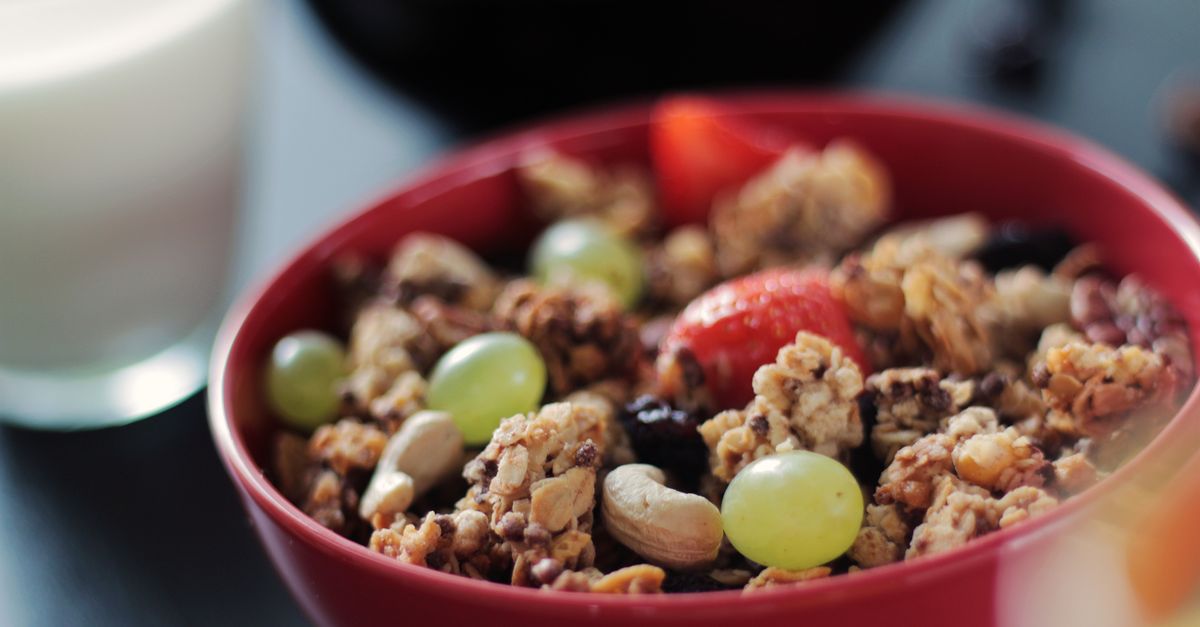
Fibre is the least glamorous word in nutrition — and one of the most powerful. UK adults are advised to eat 30g of fibre a day, yet the average person manages only around 20g, and roughly six in ten of us fall short of the target altogether. That shortfall matters more than it sounds: in the largest review to date, people who ate the most fibre had a 15–30% lower risk of heart disease, stroke, type 2 diabetes and bowel cancer than those who ate the least.
So how much fibre do you need a day, where does the 30g figure come from, and how do you actually get there without living on bran? This guide answers all three. We’ll cover the official UK recommendation (and the smaller amounts children need), the real difference between soluble and insoluble fibre, what the evidence says fibre does for your body, and a practical, food-by-food plan to close the gap — plus how to add fibre without the bloating that puts so many people off.
How much fibre do you need a day?
UK adults should aim for 30g of fibre a day. That figure was set by the Scientific Advisory Committee on Nutrition (SACN) in its 2015 Carbohydrates and Health report, and it’s the number the NHS uses today.
Children need less, scaled to age (NHS figures):
- Ages 2–5: around 15g a day
- Ages 5–11: around 20g a day
- Ages 11–16: around 25g a day The catch is that almost nobody hits it. The NHS puts the average UK adult intake at around 20g a day — two-thirds of the target — and only about four in ten adults meet the recommendation. (You may also see a figure of roughly 18g quoted. That comes from an older measurement method called non-starch polysaccharides, which counts less of the fibre in food, so it isn’t directly comparable to the 30g goal. Both the 30g target and the 20g average use the modern AOAC method.)
Soluble vs insoluble fibre — and why you need both
Fibre isn’t one thing. It comes in two broad types, and they do different jobs.
Soluble fibre dissolves in water to form a gel. It slows digestion, which helps steady blood sugar, and it lowers LDL (“bad”) cholesterol. You’ll find it in oats and barley, beans and lentils, apples, bananas, citrus fruit, carrots and psyllium husk.
Insoluble fibre doesn’t dissolve. It adds bulk to your stool and speeds things through the gut — which is what keeps you regular and helps prevent constipation. Sources include wholemeal bread and pasta, wheat bran, nuts and seeds, and many vegetables such as green beans and cauliflower, plus potato skins.
Most plant foods contain a mix of both, so you don’t need to count them separately — eating a variety of whole plant foods covers it. Nutrition scientists increasingly describe fibre by how thick (viscous) it is and how readily gut bacteria ferment it, rather than the strict soluble/insoluble split, but for everyday purposes “eat a range of plants” does the job.
What fibre actually does for your body
The case for fibre rests on unusually strong evidence. A 2019 meta-analysis in The Lancet, led by Andrew Reynolds, pooled 185 observational studies and 58 clinical trials — data covering many millions of person-years. People with the highest fibre intakes had a 15–30% lower risk of all-cause and cardiovascular death, coronary heart disease, stroke, type 2 diabetes and colorectal (bowel) cancer than those with the lowest. The benefit was greatest at 25–29g a day, with signs that more may add further protection — which is exactly why the UK target sits at 30g.
The trials in that review also found higher-fibre diets lowered body weight, blood pressure and total cholesterol. Soluble fibres such as oat beta-glucan and psyllium are specifically shown to reduce LDL cholesterol. Fibre also feeds the beneficial bacteria in your gut, which ferment it into short-chain fatty acids; that mechanism is well established, though the broader health claims for the microbiome are still being worked out.
One note on interpretation: much of this is observational, so fibre is “associated with” lower risk rather than a guaranteed shield. It’s a strong, consistent association — but fibre lowers risk, it doesn’t prevent disease.
How to get 30g of fibre a day
Hitting 30g is far easier when you can see where it comes from. Here’s the approximate fibre content of some everyday foods (British Dietetic Association and NHS figures):
- Two slices of wholemeal toast — around 7g
- 100g porridge oats (dry) — around 8g
- Half a tin of baked beans (~100g) — around 5g
- A medium jacket potato, skin on — around 5g
- 100g wholemeal pasta (cooked) — around 4g
- A banana or an apple — around 2g each Stack a few of those and the day adds up quickly. The NHS gives worked examples: wholemeal toast with peanut butter and an orange is about 8g at breakfast; wholemeal spaghetti with a lentil-and-tomato sauce is around 11g; chicken with a jacket potato, carrots and green beans is about 11g. That’s roughly 30g across three meals.
The simplest swaps to get there:
- Choose wholemeal over white bread, pasta and rice.
- Leave the skins on potatoes and fruit.
- Add a tin of beans, lentils or chickpeas to soups, stews and salads.
- Pick a breakfast cereal labelled “high fibre” (at least 6g per 100g).
- Snack on nuts, seeds and fruit rather than biscuits.
Adding fibre without the bloating
If you’ve ever upped your fibre and felt worse, the problem is usually pace. Add it gradually over a few weeks so your gut can adjust — a sudden jump ferments to gas and leaves you bloated. Drink plenty of fluid too: fibre draws water into the bowel, and without enough of it, more fibre can actually make constipation worse.
People with irritable bowel syndrome (IBS) need a little more nuance. Highly fermentable fibres — inulin, and foods like onion, garlic and some pulses — can trigger bloating and discomfort, while gentler soluble fibres such as oats and psyllium (ispaghula) are usually better tolerated. If you have IBS, a registered dietitian can help you raise fibre in a way that suits you.
Supplements have their place but come second to food. Psyllium husk (the fibre in products such as Fybogel) has the best evidence — it’s recommended for constipation with hard stools and can lower LDL cholesterol — but it works best alongside a varied diet, not instead of one.
Finally, know the red flags. Persistent bloating, a lasting change in bowel habit, blood in your stool or unexplained weight loss are not “eat more fibre” problems — see your GP.
Frequently asked questions
How much fibre should I eat a day?
UK adults should aim for 30g a day (SACN, 2015). Most of us eat around 20g, so for many people the practical goal is simply “more” — an extra portion of wholegrains, beans or fruit each day closes much of the gap.
How much fibre does the average person actually eat?
Around 20g a day — roughly two-thirds of the target — and only about four in ten UK adults meet the recommendation (NHS; British Nutrition Foundation).
What’s the difference between soluble and insoluble fibre?
Soluble fibre dissolves into a gel that helps lower cholesterol and steady blood sugar; insoluble fibre adds bulk that keeps you regular. Most plant foods contain both, so a varied diet covers it.
Which foods are highest in fibre?
Wholegrains (oats, wholemeal bread and pasta), pulses (beans, lentils, chickpeas), fruit and vegetables with their skins, and nuts and seeds.
Does fibre lower cholesterol?
Yes — soluble fibres such as oat beta-glucan and psyllium are shown in trials to reduce LDL (“bad”) cholesterol (SACN, 2015).
Can more fibre reduce my risk of disease?
Higher intakes are linked to a 15–30% lower risk of heart disease, stroke, type 2 diabetes and bowel cancer, according to a 2019 Lancet review — though this is an association rather than a guarantee.
Why does more fibre make me bloated?
Usually because it went up too fast. Adding fibre gradually and drinking more water gives your gut time to adjust and reduces gas.
How much fibre do children need?
Less than adults, scaled to age: roughly 15g (ages 2–5), 20g (5–11) and 25g (11–16) a day (NHS).
Are fibre supplements like psyllium worth it?
Psyllium (ispaghula) has good evidence for constipation and cholesterol, but it works best alongside a varied diet, not instead of one.
Can you eat too much fibre?
For most people it’s hard to overdo it from food, but a sudden large increase — or very high intakes without enough fluid — can cause bloating and discomfort, and may worsen symptoms for some people with IBS.
The bottom line
Fibre isn’t a trend or a supplement to buy — it’s the everyday part of eating that quietly does some of the heaviest lifting for your long-term health. The target is 30g a day, most of us fall short at around 20g, and the evidence linking higher intakes to lower rates of heart disease, diabetes and bowel cancer is among the most consistent in nutrition.
The good news is that closing the gap is refreshingly low-tech. Swap white bread, pasta and rice for wholemeal versions; keep the skins on your potatoes and fruit; add a tin of beans or lentils to whatever you’re cooking; and lean on fruit, nuts and seeds for snacks. Build up gradually, drink plenty of water, and your gut will thank you.
If you have persistent digestive symptoms, a change in bowel habit, or you’re thinking about fibre supplements for a specific problem, remember this is general information rather than medical advice — have a word with your GP or pharmacist about what’s right for you.