Mukbang, loneliness, and eating together online: why we watch strangers eat
Mukbang videos rack up billions of views. We look at the real psychology behind why so many of us watch strangers eat, from loneliness and ASMR to parasocial bonds with creators.
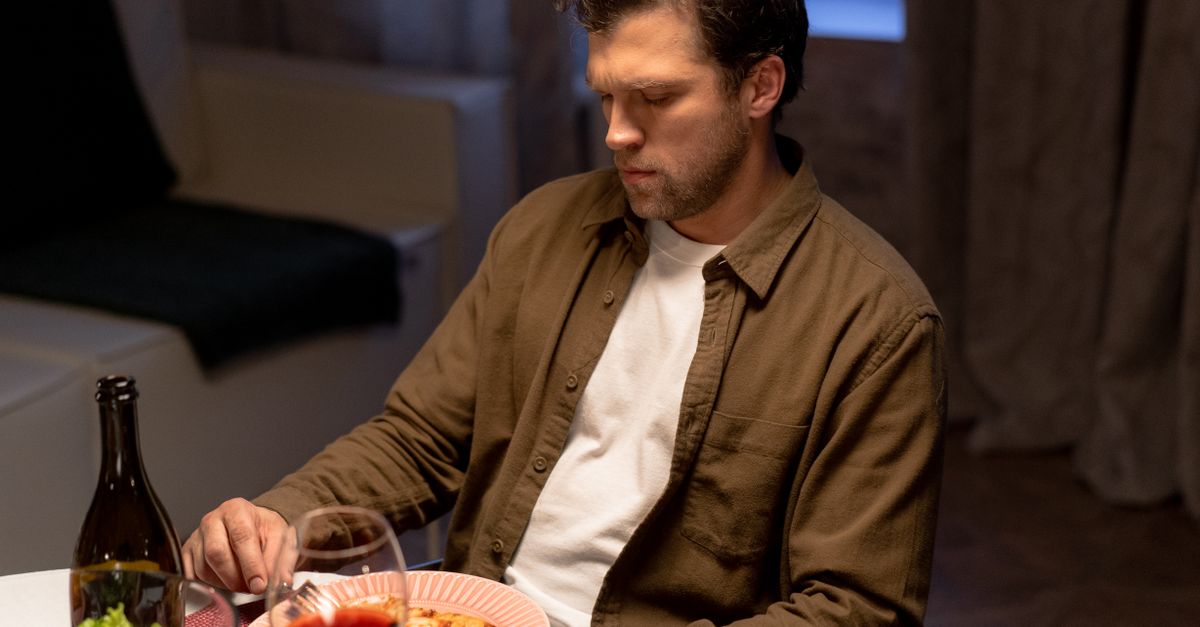
Somewhere right now, several million people are watching a stranger eat noodles. Mukbang, the genre of video where a host eats a large meal on camera, often narrating or chatting as they go, is one of the most-watched formats on YouTube and TikTok, and it has been for the best part of a decade. So why do people watch mukbang, given that, on paper, it’s just footage of someone else’s dinner?
The honest answer has less to do with food than with company. Research into mukbang viewing keeps landing on the same handful of psychological drivers: it soothes via sound (ASMR), it lets viewers eat vicariously when they can’t or won’t eat themselves, and, most consistently, it fills a gap left by eating alone. For a lot of viewers, watching mukbang is a way of having dinner with someone, even when there’s no one else in the room.
This isn’t a piece about whether mukbang is “bad for you”. We’ve already covered what the research says about its effects on appetite and cravings elsewhere. Here, we’re asking the more interesting question: what is it about watching someone else eat that so many of us find comforting, and what does that reveal about how we eat now?
Why do people watch mukbang? The short answer
At its core, people watch mukbang for three overlapping reasons, identified consistently across the academic literature on the genre:
- Companionship and loneliness relief: mukbang simulates the experience of eating with someone else, which researchers call a form of “virtual commensality.” A 2025 scoping review in the Journal of Medical Internet Research found combating loneliness and providing digital companionship among the most commonly reported motivations for watching.
- Sensory comfort (ASMR): the chewing, slurping and crunching sounds are a recognised ASMR trigger for many viewers, producing a relaxing or sleep-inducing effect.
- Vicarious eating: watching someone else eat a large or indulgent meal can substitute for eating it yourself, whether you’re managing a craving, dieting, or simply not hungry.
For most people, this is an entirely ordinary way to unwind, closer to background television than to anything that needs “fixing.” The nuance appears when we look at why some viewers reach for it more than others, which is where the loneliness research gets interesting.
Eating alone, watching together: the psychology of commensality
Anthropologists have a word for the simple act of eating with other people: commensality, literally “sharing a table.” It’s one of the oldest and most universal forms of human bonding, and decades of research link regularly eating with others to better mood, stronger social ties and even better dietary habits. The flip side is also well documented: frequent solo dining is associated with poorer psychological wellbeing, particularly when it’s involuntary rather than a lifestyle choice.
That’s the gap mukbang steps into. A 2021 study in Frontiers in Psychology coined the term “cloud-based commensality” to describe how people increasingly use eating broadcasts and video calls to simulate a shared meal when a real dining companion isn’t available. Later survey work on university students found that many who ate dinner alone reported heightened loneliness, and turned to mukbang or video-calling as a way of manufacturing company at the table.
It’s worth being precise about what the research actually shows here: it isn’t that mukbang viewers are unusually lonely people. It’s that loneliness, a near-universal experience, particularly among people living alone, working from home or eating on irregular schedules, makes the offer of simulated company more appealing. Watching someone eat while they talk to camera, make eye contact with the lens and narrate their meal gives a viewer something a silent kitchen doesn’t: the ambient sense that they’re not eating by themselves. Researchers describe this as an attempt, largely successful in the moment, to reduce the felt experience of solo eating without necessarily reducing the calories or company involved.
The comfort of the sound: ASMR and sensory appeal
Strip away the social angle and there’s a simpler, more physiological pull: sound. Much mukbang content is filmed with close-mic’d audio designed to capture every crunch, slurp and sizzle in high fidelity, the hallmark of ASMR (autonomous sensory meridian response) content, the same genre that includes whispering, tapping and hair-brushing videos.
For viewers who experience ASMR, these sounds can trigger a pleasant tingling sensation and a marked drop in stress or arousal, something researchers have tied to relaxation and, for some, easier sleep onset. Studies on mukbang specifically have found that the auditory element (alongside visual food presentation and host attractiveness) is one of the strongest predictors of how much a viewer enjoys the content and how likely they are to return to it.
This is also where mukbang blurs into a slightly different use case from “eating together” content: some viewers aren’t seeking company at all. They’re seeking a wind-down ritual, the same way another person might reach for a podcast or white noise at bedtime. The genre works for both audiences simultaneously, which is part of why it has proven so durable, a single video can be “dinner with a friend” for one viewer and “background noise to fall asleep to” for another.
Parasocial connection: the friend on the other side of the screen
Mukbang hosts tend to do something quite deliberate: they look directly into the camera, talk through their meal as if chatting to the person watching, and respond (sometimes literally, via read-out comments) to their audience. This is textbook parasocial interaction, the one-sided but emotionally real sense of connection a viewer builds with a media personality over repeated exposure, first described by researchers studying television decades before YouTube existed.
Applied to mukbang specifically, studies have found that viewers who watch a host regularly often describe the relationship in social terms, as reducing loneliness, offering a sense of familiarity, and occasionally standing in for the guilt or awkwardness of eating a large meal alone. Research on purchase behaviour around mukbang content has also found that the strength of this parasocial bond, not just the appeal of the food, predicts whether viewers act on recommendations from the host.
None of this is inherently concerning. Parasocial bonds with presenters, podcasters and creators are a completely normal feature of modern media consumption, not a diagnosis. Where researchers do flag caution is with problematic mukbang watching specifically: a 2021 study in Psychiatry Investigation surveying regular viewers found that this narrower, compulsive pattern of viewing was linked to loneliness and to broader problematic YouTube use, and proposed it functioned as a maladaptive coping habit for a minority of viewers trying to escape feelings of social disconnection, distinct from the much larger group who simply enjoy the format.
The creator’s side: what a life of eating on camera can cost
It’s worth pausing on the people making this content, because the psychology runs in both directions. Presenting large meals on camera, often multiple times a week, is physically demanding, and some creators have described adopting extreme compensatory eating patterns to manage it.
A 2026 case study in Frontiers in Psychology, built around interviews with an Indian mukbang creator, documented one such pattern: a one-meal-a-day (OMAD) routine on filming days, extending to full-day fasts after particularly large meals, and water fasts of up to 72 hours before some shoots. The creator described the regimen as effective for his purposes but explicitly acknowledged it wasn’t sustainable.
The researchers were careful in how they framed this: OMAD and extended fasting are, in general, poorly evidenced as routine practices, and the specific binge-then-restrict cycle described, eating far beyond fullness on camera, then fasting to “compensate”, mirrors patterns associated with binge eating disorder and purging disorder, even though the creator’s own framing was one of professional management rather than disordered eating. This doesn’t mean every mukbang creator engages in this pattern, but it’s a sober reminder that content built around performing appetite for an audience can carry a real physical cost for the person on camera, separate from whatever the video does for the person watching.
What our mukbang habit says about how we eat now
Zoom out and mukbang looks less like an isolated internet oddity and more like a symptom of a broader shift: more of us eat alone, more often, than we used to. Single-person households have grown across the UK, working from home has scattered lunch breaks that used to be shared, and screens have quietly become a normal dinner companion for a huge number of people, mukbang or otherwise.
Seen that way, watching mukbang sits alongside a wider set of adaptations, eating with a podcast on, video-calling a friend over dinner, or simply having the television on for company, that all try to recreate some of what a shared table used to provide automatically. Researchers studying “solo dining” more broadly have even suggested reframing it entirely: rather than a deficient version of commensality, eating alone with digital company might be better understood as commensality redefined for a more atomised way of living, with its own comforts and its own limits.
The honest takeaway isn’t that mukbang is a replacement for real company. Most people who watch it wouldn’t claim that it is. It’s that the appetite for it tells us something true about a lot of modern mealtimes: quieter, more solitary, and reaching for whatever company is available.
Conclusion
Watching a stranger eat noodles for twenty minutes isn’t a strange habit that needs explaining away. It’s a fairly logical response to eating in a world with more solo mealtimes and more screens than ever before. The research is consistent: most people watch for comfort, sound, or a little simulated company, not because anything is wrong with them. Where it’s worth paying attention is if watching starts to feel less like a choice and more like the only way you get through a meal, or if the loneliness underneath it feels heavier than an evening of background noise can touch.
This article is general information, not medical or mental health advice, and it isn’t a substitute for professional support. If loneliness feels persistent, overwhelming, or is affecting your day-to-day life, it’s worth talking to your GP, or reaching out to a service like Samaritans (116 123, free, 24/7) or Mind UK, who can point you towards the right kind of support. For most people, though, mukbang is exactly what it looks like: dinner, with a bit of company borrowed from a screen.
FAQs
Why do people watch mukbang?
Mostly for company, comfort and sound. Research consistently points to three overlapping motivations: simulating shared mealtimes to ease loneliness, enjoying the ASMR-style sounds of eating, and vicariously experiencing a meal a viewer isn’t eating themselves.
Is watching mukbang a sign of loneliness?
Not necessarily. Occasional mukbang viewing is a normal, widely shared habit. Research has found a link between loneliness and problematic (compulsive) mukbang watching specifically, not with casual viewing, which the vast majority of the audience engages in.
What does “mukbang” actually mean?
It’s a Korean portmanteau of “meokneun” (eating) and “bangsong” (broadcast), describing the original format of live-streamed eating broadcasts that began in South Korea in the early 2010s before spreading globally on YouTube.
Why does mukbang sound so satisfying?
Much mukbang content is filmed with sensitive, close-range microphones that capture chewing, crunching and slurping in detail, a recognised trigger for ASMR (autonomous sensory meridian response), which many viewers experience as relaxing.
Can you form a real relationship with a mukbang creator?
You can form what researchers call a parasocial relationship, a one-sided but emotionally genuine sense of connection built through repeated viewing. It’s a normal feature of how people relate to regular creators and presenters, not unique to mukbang.
Is mukbang linked to eating disorders?
Most viewers show no such link. The clearer evidence concerns some creators, not viewers: case study research has documented creators adopting extreme compensatory eating patterns (like prolonged fasting) around filming, which researchers note can resemble binge-restrict cycles.
What is commensality, and why does it matter here?
Commensality is the practice of eating together, one of the oldest forms of human social bonding. Researchers use it to explain mukbang’s appeal: the videos offer a form of “virtual commensality” for viewers who are eating without company.
Is it unhealthy to watch mukbang while eating alone?
For most people, no. It’s a common way to make a solo meal feel less solitary, similar to eating with a podcast or the television on. It’s worth noticing if it becomes the only way you can face a meal, rather than one of several options.
Do mukbang creators actually eat everything on camera?
Typically yes, though methods vary. Some prepare for large meals with extended fasting beforehand, and some describe restrictive eating afterwards to offset the calories, a pattern researchers have raised concerns about from a health perspective.
Where can I get support if loneliness feels overwhelming?
Speak to your GP in the first instance. In the UK, Samaritans (116 123, free, 24/7) and Mind UK offer confidential support if loneliness or low mood feels persistent or hard to manage alone.
Sources
- Use of Mukbang in Health Promotion: Scoping Review (JMIR, 2025)
- Compensatory Usage of the Internet: The Case of Mukbang Watching on YouTube (Psychiatry Investigation, 2021)
- Eating on camera: a creator-centric case study of mukbang engagement in India (Frontiers in Psychology, 2026)
- Cloud-Based Commensality: Enjoy the Company of Co-diners Without Social Facilitation of Eating (Frontiers in Psychology, 2021)
- Eating alone or together: Exploring university students' eating patterns before and during the COVID-19 pandemic (2024)
- Eating alone, or commensality redefined? Solo dining and the aestheticization of eating (out) (2022)
- How Attitude and Para-Social Interaction Influence Purchase Intentions of Mukbang Users: A Mixed-Method Study (2023)
- Mukbang mania: exploring attitudes and parasocial relationships among viewers (2025)