Freshers' flu and the autumn cold surge
New social mixing colliding with the start of flu season, plus real sleep-debt research: freshers' flu is more predictable than mysterious.
Freshers’ flu and the autumn cold surge
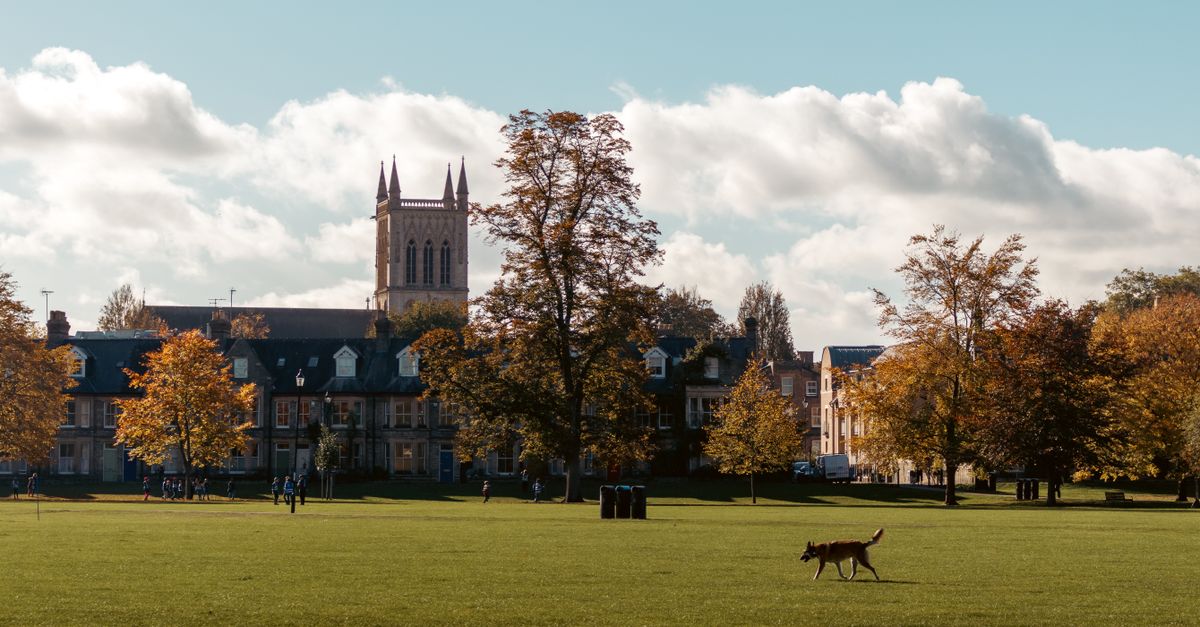
Nearly every UK student learns the term within their first fortnight at university: freshers’ flu, the wave of coughs, sore throats and general malaise that sweeps through new cohorts almost on schedule. It isn’t actually influenza, and it isn’t really a mystery. It’s a fairly predictable convergence of factors that happens to hit at exactly the point in the calendar when it’s most likely to.
Why it hits so predictably
The core driver behind freshers’ flu is straightforward: a sudden, large-scale convergence of people from many different households, regions and even countries, mixing intensively in shared living spaces, lecture halls, and social events over a short period. University students represent an unusually dense social network with high levels of close contact, and outbreak research has found elevated rates of respiratory illness in exactly this kind of setting.
A study of student illness at the University of Cambridge highlighted this pattern specifically, noting the high potential for infectious respiratory illness to spread in university populations, and pointing to previously documented higher attack rates of influenza-like illness among undergraduate-aged students compared with older years or staff. The same body of research has found meningococcal disease incidence is also elevated in first-year students specifically compared with returning students. Meningococcal disease is more serious, if rarer, and shares some early symptoms with a bad cold, which is part of why UK universities strongly encourage the meningitis vaccination before students arrive.
The timing isn’t a coincidence either
UK academic years overwhelmingly start in late September or early October, which happens to be almost exactly when the annual flu and cold season typically begins ramping up across the Northern Hemisphere. That means the single biggest surge in new social mixing coincides directly with the point in the calendar when background viral transmission in the wider population is already climbing. Two separate trends stacking on top of each other, rather than one particularly bad “student illness,” is a large part of why the timing feels so reliable year after year.
The lifestyle piece: sleep debt and alcohol aren’t incidental
It’s tempting to treat “too many late nights and one too many drinks” as a jokey add-on to the real explanation, but the research on both factors as genuine risk factors for catching a cold is more solid than that framing suggests. In a landmark experimental study, researchers assessed sleep habits in healthy volunteers over two weeks, then deliberately exposed them to a rhinovirus under quarantine conditions. People with shorter average sleep duration and poorer sleep efficiency in the weeks before exposure were significantly more likely to actually develop a cold. That is a genuinely causal-leaning design, not just an observed association, since exposure was controlled and identical for everyone.
Alcohol adds a separate, compounding burden: heavy drinking is understood to interfere with several aspects of immune function, and freshers’ week specifically combines this with the sleep-restriction pattern above and, often, a less nutritionally solid diet during the same stretch, plus the general psychological stress of moving away from home for many students, which research also links to increased susceptibility to illness. None of these factors alone would fully explain freshers’ flu, but stacked together during the exact weeks of peak social mixing, they add up to a fairly predictable dip in resistance right when exposure risk is highest.
What actually helps
Given this picture, the genuinely evidence-supported levers are the unglamorous ones: protecting sleep as much as realistically possible during the intense first weeks (the experimental cold-susceptibility research specifically points to sleep duration and continuity, not just “feeling tired,” as the mechanism that matters); moderating alcohol intake, particularly on consecutive nights, since heavy consumption compounds both sleep disruption and direct immune effects; and being up to date on relevant vaccinations, including the meningitis vaccine most universities require or strongly recommend before arrival, given the specifically elevated risk in first-year students.
When it’s more than freshers’ flu
Because meningitis symptoms can resemble a bad cold or flu early on, it’s worth knowing the specific warning signs that go beyond typical freshers’ flu: a stiff neck, sensitivity to bright light, a rash that doesn’t fade under pressure (the “glass test”), confusion, or severe drowsiness that’s hard to rouse from. These symptoms warrant urgent medical attention rather than waiting it out, given how quickly meningitis can progress.
The honest takeaway
Freshers’ flu isn’t a mysterious separate illness. It’s the predictable result of intense new social mixing landing directly on top of the start of annual cold and flu season, compounded by genuinely evidence-backed risk factors like sleep restriction and heavy alcohol use. None of the individual pieces are surprising, but understanding how they stack is useful, both for taking sensible precautions and for knowing when something is actually more serious than a bad cold.
FAQs
Is freshers’ flu an actual type of flu?
No, it’s an informal umbrella term for the various colds and viruses that spread rapidly during the first weeks of university, driven by intense new social contact, not a distinct clinical illness.
Why does it seem to happen to almost everyone at the same time?
Because UK university terms start right as flu and cold season begins climbing in the Northern Hemisphere, so a huge spike in new social mixing coincides directly with rising background viral transmission.
Does lack of sleep really make you more likely to catch a cold?
Yes. An experimental study that measured sleep habits then deliberately exposed volunteers to a rhinovirus found shorter sleep duration and poorer sleep efficiency were associated with significantly greater likelihood of actually developing a cold.
Is it just the alcohol causing freshers’ flu?
Not on its own. Alcohol is understood to impair immune function and compounds sleep disruption, but it’s one of several stacking factors (new social mixing, seasonal timing, sleep debt, stress, diet) rather than a single cause.
How is freshers’ flu different from meningitis?
Both can start with cold-like symptoms, but meningitis-specific warning signs include a stiff neck, sensitivity to light, a non-fading rash, confusion, or severe drowsiness. Any of these warrant urgent medical attention, which is part of why universities encourage meningitis vaccination beforehand.
What actually helps prevent it?
Protecting sleep during the intense first weeks, moderating alcohol intake, and being up to date on relevant vaccinations (particularly meningitis) are the most evidence-supported steps, given the specific risk factors research has identified.